




“Sorority consultant” is a profession, and a well-paid one at that. With achieving the “right” bid increasingly a must thing for a growing number of females born to parents with somewhat limitless (or not) means, the quantity and pay of sorority consultants is on the upswing.
The profession you just read about recalls the line from a 1990s Berenstain Bears book of old, “No need to worry, no need to fret. The thing for you may not have been invented yet.” The nature of work is constantly evolving, and for the much better. It’s not just that sorority consultant is a well-paid profession, it’s that sleep coach and video game coach pay very well too.
Talking my own 2018 book, The End of Work (its working, much more apt title was The End of Laziness), soaring production begets all sorts of “they pay you to do this?” professions that have nothing to do with production, but that free growing numbers of people to do what they can’t not do, and that elevates their unique skills and intelligence. These people are all around us.
While the tireless, brilliant work of Steven Spielberg (film director), Lamar Jackson (NFL quarterback), and Adam Schefter (he blurbed The End of Work) doesn’t feed us, it’s a direct result of abundant, specialized, and increasingly mechanized production globally that relentlessly renders the necessities and well-out-of-reach luxuries of the past a foregone, low-cost certainty in the present. And with it, the definition of work evolves.
Economics writer? Yes, a luxury job of a powerfully luxurious time. And it’s only going to get better assuming Artificial Intelligence (AI) even achieves a fraction of its much-heralded potential. What does and thinks for us is production personified, and it means ever more people doing what they have to do, as opposed to what they must.
Which brings us to the latest Broadway release of “Death of a Salesman.” George Will rejects the lefty view of the present that says “the play presents Loman as ‘a victim of competitive capitalism.’” This “underthought assessment,” suggests “that Loman’s tormented, eventually delusional, finally suicidal psyche mirrors America’s.” There’s no disagreeing with Will’s analysis of left-wing conventional wisdom, but there might be pushback against his own assessment of the enduring interest in the play, that it’s rooted in “the play’s shattering depiction of something timeless, not context-dependent: the pathos of a despairing individual whose dreams exceed his capacities.”
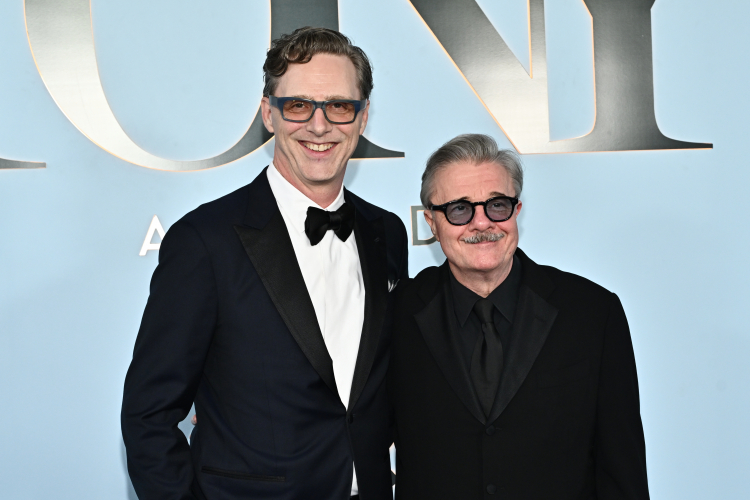
Another way of considering powerful audience interest in “Death of a Salesman” can be found in Will’s opening sentence about the play, that “Seven times a week, audiences fill the 1,600-seat Winter Garden, one of Broadway’s largest venues, to see Nathan Lane, 70, an ornament of contemporary theater, spend almost three hours strenuously portraying the last day of a lost man: Willy Loman, a salesman.” Lest we forget, this is New York.
Which means the people filling the Winter Garden are spending enormous sums to see the play because they’re New Yorkers, and prosperous ones at that. Paraphrasing Ken Auletta, these are the people who passed the final test. They flock to see “Death of a Salesman” not because they relate to Willy Loman, but because they don’t. The audiences seek great theater, not pathos or critiques of capitalism.
Will contends that this “durable achievement of American dramaturgy will grip audiences in 2049 and beyond,” and the speculation here is that he’s right. But it will be as art for expanding audiences who can passionately enjoy “Death of a Salesman” while very comfortable that they see none of themselves in Willy Loman.
