
Yesterday, Wedgewood Polls admitted on X that their polling data was fake, calling it a "social experiment" and “far too easy”.
This is not some random pollster. They were consistently cited in major media outlets.
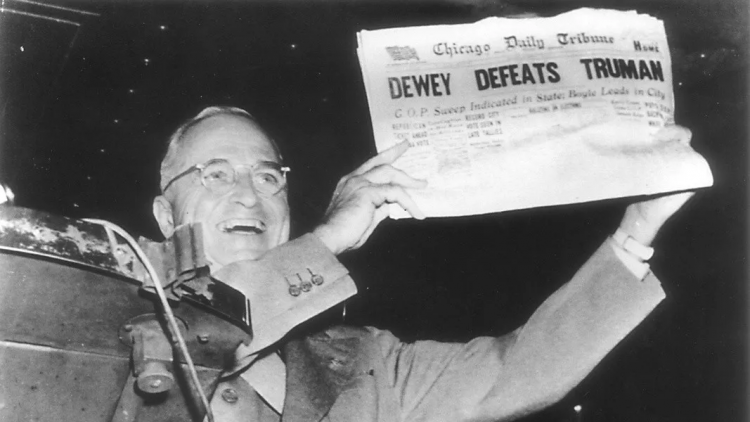
This is a good reminder of how manipulable polls are and how they can influence public perception.
It also shows that, while not perfect, a market-based mechanism to predict and get informed about elections is critically important today.
Markets Are a Tax On Bad Information
Unlike all other forms of information, markets provide a reward for being right, and impose a cost for being wrong.
When people have something to lose, they think rationally, do research, scrutinize sources, and stop believing things just because they want them to be true.
Open competition on a free-market rewards truth-seeking and punishes bad takes and lies.
Essentially, traders get paid to filter misinformation for the rest of us and make prediction markets useful for everyone, not just those who trade them.
Michigan
In late June, Wedgewood published a poll showing candidate Mallory McMorrow collapsing to single digits in the Democratic Senate primary. Shesays that number dried up her donations, demoralized her volunteers, and had reporters asking when she'd drop out.
The market, however, did not fall for the Wedgewood poll. Because they have money on the line, traders think carefully about how much weight to put on a new piece of information, and it seems like they put little weight on the word of a little known polling firm with unknown methodology and a slim track record. When the poll dropped, the markets prices didn’t react at all. This is generally true across all markets where Wedgewood released polls.
This Isn’t An Isolated Example
Wedgewood is not the first fake polling firm and it won’t be the last fake polling firm.
In August, a group called Median Strategies put out a poll of the LA mayor's race, which was cited by multiple media outlets. Days later, Median replaced its website with a note saying the numbers were fabricated. Two fake polling firms in one cycle…and those are just the ones that have been disclosed. Starting a “polling firm” costs almost nothing. All you need is a website, an X account and a press release. We should expect more of this, not less.
But the issue is deeper than fake polls. It’s structural: polls inherently suffer from sampling issues, partisan biases, and skewed incentives.
It’s because it’s information that is controlled by a select few. Free markets solve that by aggregating information that comes from millions of people competing on an open market.
Markets Defend Against Manipulation
Prediction markets are the most democratic and manipulation-resistant form of information about our politics.
People who are unfamiliar with markets are surprised by this: they ask about the potential for bad actors to insider trade or manipulate the markets by putting large sums of money in.
The concerns are fair and important and we take them very seriously. But they betray a misunderstanding of how markets work.
Markets incentive truth-seeking by providing an opportunity for smart traders to correct pricing biases on an open market. Think the price is too low? Go long. Think it’s too high? Go short. That continuous competition between millions of traders with different opinions updates the price in real-time, which we call “price discovery.”. When someone tries to manipulate perception by pouring money into the markets to move the price far from the “fair value,” it creates an immediate profit opportunity for everyone else in the market, and the market self corrects: in May, a trader poured $1.25 million into the LA mayoral primary, which spiked Spencer Pratt’s chances to win. It took the market just nine seconds to correct itself.
Many studies have been written about the accuracy of prediction markets. A recent one shows how markets are free from any biases. The reason is simple: incentives win out. Open, free markets always correct toward the truth.
Markets over Noise
We're heading into a world with more misinformation, not less. AI, deepfakes, coordinated influencer campaigns, bot farms, fake polls: it will all keep coming.
Markets are the filter for this new world. They reward people for being right, punish them for being wrong, and do it all in the open, where anyone can see every trade.
For far too long, we’ve relied on polls, pundits, and experts to tell us what America thinks. But the truth doesn’t belong to a select few. It belongs to everyone.
Prediction markets put power in the hands of the people, turning millions of independent opinions into a collective view of the future. No gatekeepers. No central authority deciding what’s true.
Just real people putting their conviction behind what they believe on a free and open market.
Because the best way to understand what America thinks isn’t to handpick a few voices and give them a megaphone.
It’s to let the market speak.