



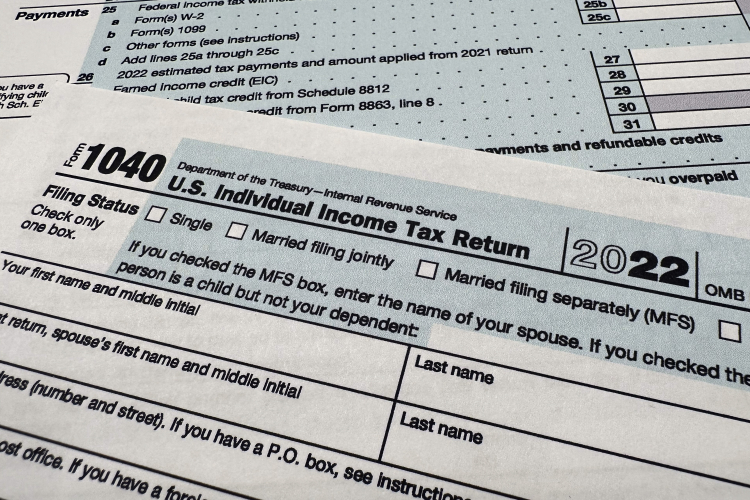
At the second presidential debate in October 2016, Hillary Clinton accused Donald Trump of using a $916 million loss to avoid paying federal income taxes. He replied without hesitation: “Of course I do.” Then he called himself “smart” for doing it. Half the country reacted with outrage. I nodded—not because I was pulling for Trump, but because after three decades advising family offices, managing private equity and credit strategies, and sitting in investment committee rooms across the full spectrum of institutional capital, I had spent a substantial portion of my career doing precisely what he described. What struck me wasn’t the admission. It was the conclusion the public drew from it. They assumed the tax code had been rigged against them. The more accurate reading is that it had been engineered—deliberately, and on defensible grounds—to favor capital over consumption. That distinction matters and getting it wrong has real policy consequences.
Read Full Article »
