



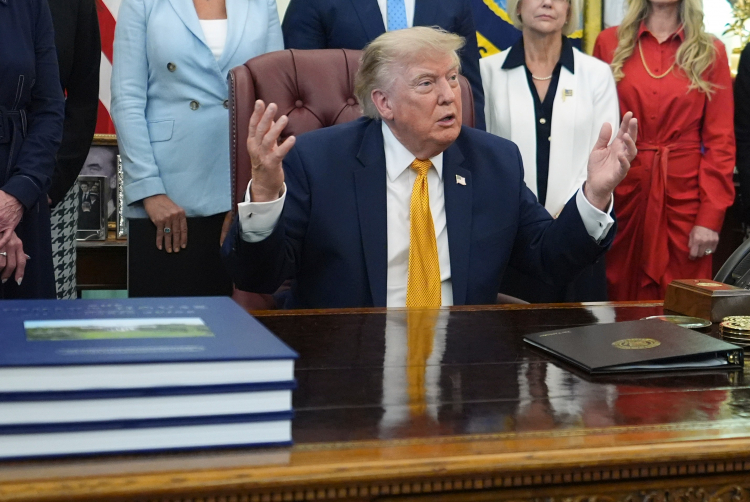
There is rarely a day that passes without a news headline—such as recent reports of President Donald Trump walking back commitments to assist Ukraine’s defense with Patriot missile systems to save the lives of innocent civilians—that prompts an instinctive reaction: this is evil. Yet for an applied microeconomist, invoking the word "evil" initially feels out of place. Historically, evil is considered the domain of moral philosophy or theology, not empirical social science. Economists prefer critical judgments like inefficiency or adverse distributional impacts that can be verified by widely agreed-upon criteria.
Read Full Article »
