


Market Efficiency, Not Regulation, Is Driving People from Coal
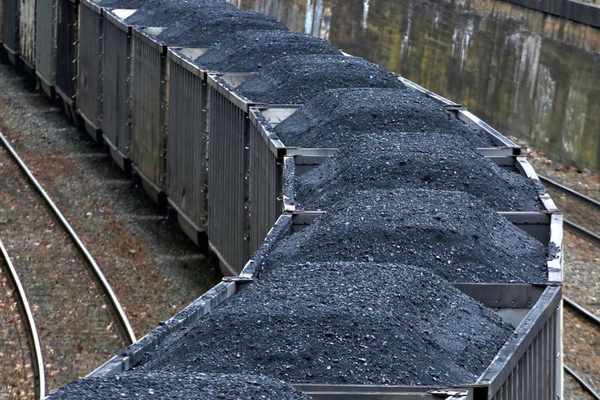
The Trump Administration is trying desperately to save the coal industry. But like the little Dutch Boy, it is being overwhelmed; in this case by a flood of more efficient fuels.
The EPA rollback, called the Affordable Clean Energy rule, this week gives states leeway to require efficiency upgrades at existing coal plants, a policy that many will hail as a reduction in federal regulatory reach - but is also a desperate attempt to staunch a flood from coal to more efficient industries.
It is not regulation that is primarily driving companies and consumers away from coal to natural gas and renewables; it is comparative efficiency. U.S coal consumption has sunk 39 percent to its lowest level in four decades, according to the Energy Information Administration.
In 2017, an analysis by five companies and institutions found, zero carbon resources such as solar and wind accounted for 35.4 percent of electricity generation in the United States, gas 32.1 percent, and coal only 29.8 percent. In its latest Short-Term Energy Outlook, the EIA said it expected the share of total utility-scale energy generation from coal would drop to 24 percent this year, and 20 percent in 2020.
The steep decline in coal use continues a negative trend that has seen the resource’s share of the U.S power supply decline in this century from 50 percent to a little more than a quarter. The shift from coal is not a result of regulatory dictates; it is the result of market efficiencies. Coal is in decline not because a governmental czar in Washington is ordering it, but because energy providers across the United States are shifting to more efficient and competitive forms of energy.
The impact has been particularly hard on eastern coal producers. Just look at the cost differential between coal from West Virginia and western states. Recent EIA data put central Appalachian coal at over $52 per ton, and northern Appalachian coal at over $45 per ton. That is 4-5 times as much as the cost of coal from Wyoming’s Powder River Basin.
Ironically, much of the relative increase in the cost of eastern coal stems from the improved efficiency of other forms of energy, even as eastern coal companies have introduced the use of new technologies to reduce the need for labor. Improved production methods, such as sulfar mining, require fewer workers per ton of coal generated. Overall, the U.S coal industry employs about half as many people as it did 30 years ago.
In other words, the market is working as it should: Wringing out costs to benefit end users.
Regulatory changes aren’t driving the stampede from coal, and regulatory changes won’t staunch it. People are voting with their pocketbook, and their pocketbook demands and sees more efficient forms of energy. One can have sympathy with people and industries locked into coal production. But we can’t allow that to prompt us to stand in the way of progress.
