




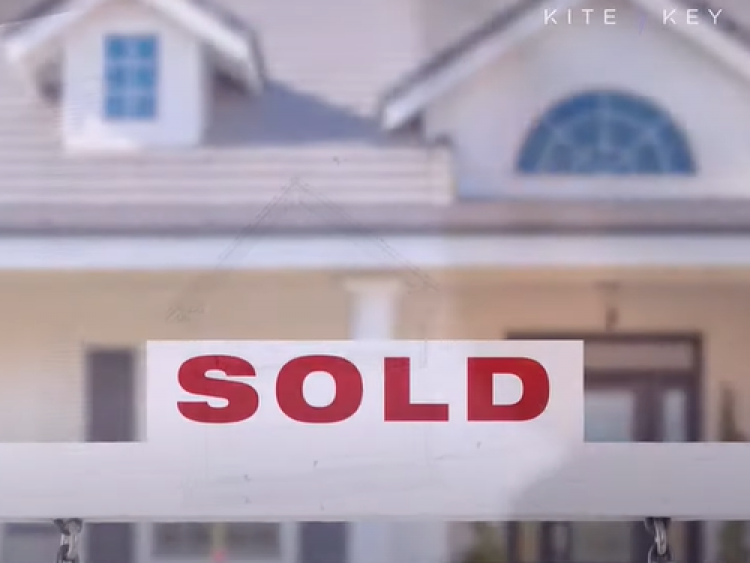
To rent or to buy? Which is better for the person who needs a place to live and can afford either option? This is a trick question. To a great but not a total degree, it all depends upon relative prices. If you can purchase a home for $1 million, or rent that exact same space for $1 per month, the latter is by far the better choice. We are now assuming that this rental price will continue indefinitely. On the other hand, if the sale price for this house is $100 and the rental is $1000 monthly, only a very unsophisticated person would choose the latter.
At the time of this writing there is a bit of a “war” taking place between renters and home owners. Condominiums, housing cooperatives and home owners’ associations are pulling up their drawbridges in an effort to keep renters away. Why the animosity? There are several reasons. On average owners are more wealthy than renters and the former want to discriminate against the latter for that reason alone. Then, too, there is the issue that homeowners tend to occupy their premises for longer durations than the will o the wisp tenants; neighborhood stability, a desiderata of owners, is thus reduced by tenants.
So far, it would appear that homeowners are the big bullies and renters are their victims. This picture is undercut by the fact that the renters are not, in the main, directly confronting the HOAs. Rather, it is large corporate investors who are buying up significant swatches of real estate in the HOAs in the suburbs of many large major cities. Then, much to the consternation of the owners, they turn around and make these properties available to renters. Thus, these gigantic firms are in effect acting as agents for the relatively poorer tenants; the big bully charge has been inverted and is now perched on the other foot.
Who should we root for, if we favor free enterprise and think that mere size and power are irrelevant to righteousness? That is, on which side justice reside?
On neither side. This is an issue of where “let the best team win” should prevail. It is a bidding war, similar to the issue of whether we should have more carrots or peas, or more bicycles or chess sets or more shoes or shirts. There is a bidding war constantly taking place given economic freedom which determine all such resource allocations.
It should matter not one whit who is bigger, richer or more powerful or who is more needier than anyone else. If we want to have an economy with at least a modicum of freedom, we have to allow such goings on; nay, welcome them.
However, the heavies in the real estate industry are not playing fair. They are trying to get the government to press its big fat thumb on their side of the balance wheel. Specifically, they have all too often succeeded in getting legislation passed preventing condominium associations from retroactively prohibiting them from renting out the residential units they have purchased. According to the Wall Street Journal, “During the past few years, the real-estate industry has worked to pass legislation in Tennessee, Georgia and Florida that prevents associations from retroactively banning investors once they have already bought and started renting out a house…”
Upon first glance, this seems entirely justified. After all, if a company purchased housing units in a coop which were deemed allowable for renting, and, then, later on the HOA pulled the rug from under its feet by no longer allowing this privilege, they would appear guilty of engaging in a bait and switch operation. Fraud, in a word: reneging on a contract.
However, superficial appearance can be deceiving. The real estate company, knew, or at least should have known, that the coop system is a fluid one. Usually (super) majority votes can change pretty much any previous policy. Yes, the program at the time of purchase allowed for rentals in the condominium. They should have realized that the percentage of units open for that purpose can be changed at any time, even entirely disallowed.
If these firms are so intent upon acting in effect as agents for renters, one can be forgiven for wondering why, instead of imposing their clients on condo owners who are trying to escape what they regard as the baleful influence of tenants, they do not simply build their own developments and rent them out. Could this be due to a fear of a later imposition of rent control, that would apply to their own property, but not if ensconced within an HOA? If so, we have yet one more instance of the malevolent effect not of renters but rather of unwise governmental interference with free enterprise.
