




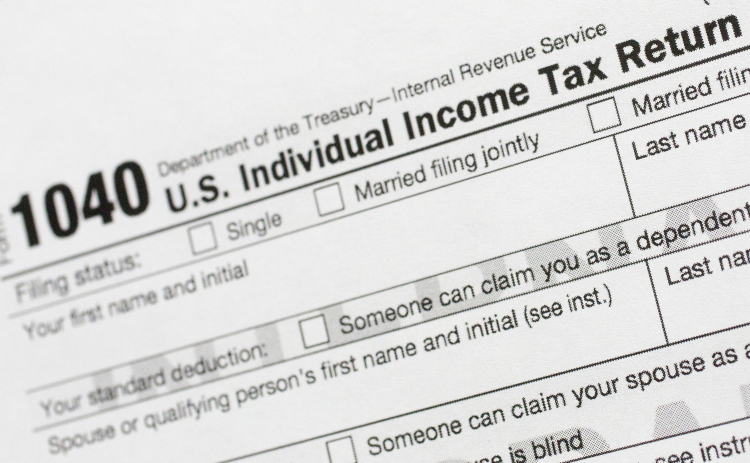
In 1980, the US economy was in terrible shape. Inflation was soaring, growth was stalled, federal spending was rapidly rising, and taxes were at record highs. The Republican Party responded with a platform stating that “nothing is more important than economic growth.” GOP presidential candidate Ronald Reagan made this the centerpiece of his campaign for the White House, running on a plan to restore economic growth. The message resonated, propelling Reagan to a landslide victory in which he won 44 states and helped Republicans win control of the U.S. Senate for the first time in 28 years.Upon taking office, President Reagan enacted a robust economic program of lower taxes and reduced federal spending. And it worked. The policies ushered in an era of unprecedented economic growth and prosperity. By 1982, the US economy came roaring back. Between 1983 and 2007, real economic growth averaged 3.4% a year, the longest economic expansion since World War II. Inflation remained low, unemployment plummeted, and middle class families saw their incomes increase by 68%.But since then, the economy has been stuck in a slow growth rut, averaging just 2% a year. In the last 15 years, total spending and taxes have doubled, reaching historic high levels and miring the economy in the longest extended slow-growth period in U.S. history.Republicans in Congress sought to rejuvenate the economy in 2017 through landmark legislation reducing and reforming America’s outdated tax code. Their efforts paid off as economic growth increased in 2018 and 2019, before the Covid-19 pandemic shutdowns.As we have emerged from the pandemic, we have found ourselves right back in the sluggish, slow-growth rut that has plagued our economy for more than a decade. And the outlook moving forward is similarly bleak. The nonpartisan Congressional Budget is now forecasting growth of only 0.3% this year, 1.8% in 2024, and a dismal 1.9% over the next ten years.We do not have to accept a future of low growth. The past 15 years of sluggish economic growth have cost our economy trillions of dollars in lost output, income, and wealth. If the economy had grown at just 3% a year, our economy would be roughly 25% bigger and income would be 25% higher.Increasing economic growth to 3% would generate trillions of dollars in economic activity, leading to higher incomes, better jobs, and increased tax revenue at both the federal and state levels. It would enable us to reduce our national debt and our annual budget deficits, making it easier to afford a strong national defense and fund other spending priorities.We do not need to slow down the economy to curb inflation. President Reagan showed that the best way to restore economic growth and reduce inflation is to replace the anti-growth policies of high spending and taxes with the pro-growth policies of spending restraint, fewer regulations, and lower tax rates. It has worked before, and it will work again.
We Need to Restore Economic Growth, and We Know How
Comment
Show comments
Hide Comments
