




While the stock market’s red-hot gains of nine percent thus far in 2024 have--remarkably--exceeded the pace of the historic market performance of 2023, there are clouds on the economic horizon. Most notably, the government continues to increase its debt by trillions of dollars a year despite the economy being at full employment. Last week’s passage of a $1.2 trillion spending bill suggests that Congress remains unconcerned about the nation’s growing debt.
This indifference to our burgeoning debt crisis could prove to be problematic before too long--especially if we enter a recession, which would cause our already-high deficits to skyrocket. If financial markets begin to doubt our nation’s ability to pay off its debt--one ratings agency has already downgraded the country’s credit ratings--it could create a market crisis that rivals what happened in 2008-2009.
However, it’s not too late for our elected leaders to address our debt and return the country to a path of solvency, which involves more than merely cutting spending and/or increasing taxes. Any durable solution has to involve concomitantly pursuing policies that will boost economic growth.
Indeed, the last two times we managed to significantly slice the federal budget deficit--in the late 1990s and 2005-2007--the U.S. economy was in a period of sustained economic growth, which led to enormous revenue gains. Economic growth begets income growth, and along with it more tax revenue. A decade ago I estimated that economic growth of four percent would produce trillions of dollars in additional revenue--much more than any proposed increase in tax rates would generate. That number would be even greater today.
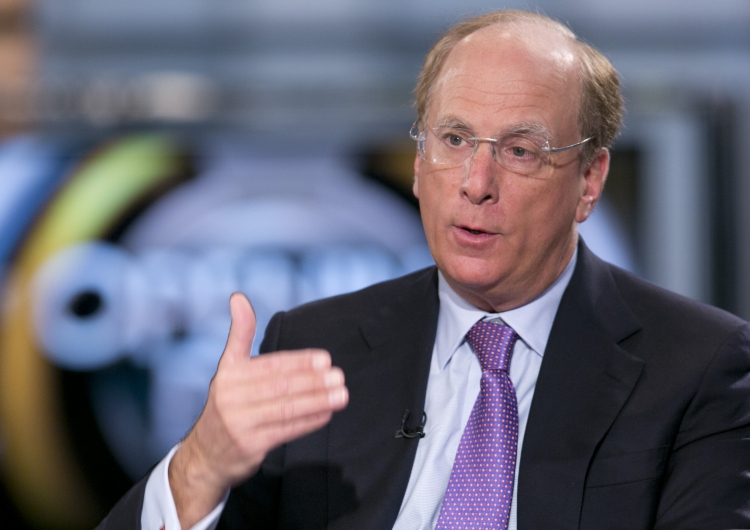
BlackRock CEO Larry Fink’s annual letter, released earlier this week, elucidates the need for more savings, focusing on how increased savings and smart investments in capital markets can boost growth and alleviate our debt crisis. Fink observed that
“We can’t see debt as a problem that can be solved only through taxing and spending cuts anymore. Instead, America’s debt efforts have to center around pro-growth policies, which include tapping the capital markets to build one of the best catalysts for growth: infrastructure. Especially energy infrastructure.”
Capital markets have directed hundreds of billions of dollars into the energy markets in the last decade, which has spurred improvements in electric vehicles, as well as wind and solar energy. These days the cost per kilowatt of energy produced by wind or solar is competitive with energy produced with fossil fuels, an achievement that seemed unattainable even a decade ago. This investment has radically transformed the market: The energy sector is rapidly transitioning towards carbon-free emissions, and the proportion of GDP devoted to energy is below six percent, close to an all-time low.
What’s more, the U.S. and other countries are placing a higher priority on the need for energy security, and they are investing in the necessary infrastructure to ensure a steady supply of energy regardless of any geopolitical machinations.
Fink’s letter also expresses his concern that millions of older Americans have not yet saved enough for retirement and observes that a sizable proportion of Americans aged 55 to 65 do not have a single dollar saved in a personal retirement account. A similar proportion of households also report that they do not have any extra savings to cover an emergency, should it arise.
While working-class Americans can expect to receive a social security check that will replace a significant portion of their income, the government could take additional measures to boost their savings as well--which would boost their retirement security as well as increase the availability of capital for the broader economy.
The Pension Protection Act--enacted in 2007--as well as the recently-passed Secure 2.0 Act took steps to make retirement saving more automatic for millions of workers--especially for those that do not have access to defined contribution retirement plans through their employers. But more could be done to help people accumulate retirement savings, such as making it easier for the self-employed or those who work at businesses without retirement savings plans to create retirement accounts. Boosting the savings of low-income households would help secure their retirement as well as increase the amount of capital available for new investments.
The U.S.--as well as every other country that aspires to maintain steady economic growth--needs strong and free capital markets to prosper. By taking steps to ensure capital formation, the U.S. can boost economic growth, which would be an essential ingredient in any plan to return the government to economic solvency.
