




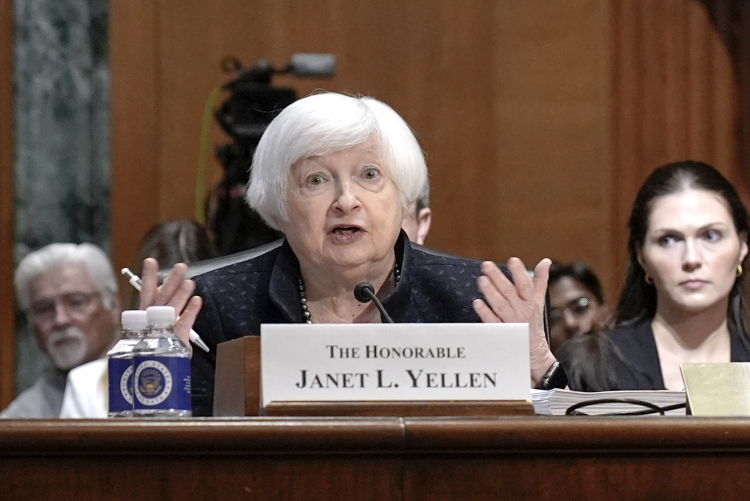
Treasury Secretary Yellen is suddenly concerned about deficits, telling a congressional committee the U.S. “needs significant steps” to reduce them. The Secretary was testifying in support of the Biden budget, and was urging Congress to pare deficit financing by raising tax rates on individuals and corporations.
But a new Penn Wharton analysis of budget reduction options shows that higher individual and corporate tax rates are the least effective way to reduce our long term debt and the most harmful option to economic growth.
The Penn Wharton Budget Model analyzed three different policy approaches to reduce our fiscal imbalance, and the results are striking and definitive. The model looked at the effects of various tax increases and spending cuts, estimating their impact on economic growth, capital investment, wages, and debt.
The results of the study are clear. Trying to reduce the deficit by raising tax rates on individuals and corporations would do the most damage to the economy and do little to reduce the debt.
The tax option modeled raises the top individual rate, doubles the capital gains rate, and increases the corporate rate to 28%. This approach is similar to the Biden budget, which proposes $5 trillion in higher taxes.
A second option focuses on spending reduction, including entitlement reforms and a 5% reduction in nondefense discretionary spending. A third option is a mix of spending cuts and broad-based new taxes, including a carbon tax and a value added tax.
The fiscal and economic effects of the tax rate option are the most negative. Of the three options studied, the higher tax rates produced the smallest debt reduction and the worst economic results. These findings are consistent with the large body of economic studies and research showing the negative effects of higher tax rates. Raising the corporate tax rate is the most economically harmful tax increase, and the Penn Wharton model confirms an unfavorable outcome.
Any potential gains from deficit reductions are offset by the economic distortions caused by the higher rates. The tax increases result in a long term drop in economic growth, a lower capital stock, and stagnant wages, leaving debt growing and unsustainable, and leading to “economic decline.”
History shows that raising personal and business tax rates do not reduce budget deficits. The higher tax rates reduce investment and productivity, resulting in slower growth, lower wages, and fewer jobs. The increased tax rates just give Washington more money to spend, and never improve the long term fiscal outlook.
More Data Show Tax Hikes Harm Economy, Don't Change Debt
May 11, 2024
Comment
Show comments
Hide Comments
