




During his presidential campaign, Donald Trump pledged support for working Americans. This included a promise to end inflation, with specific assurances that grocery bills would fall and
energy prices would be halved. He promised no cuts to Social Security and Medicare, and protection for Medicaid. It further included a promise to protect jobs and reduce crime by stopping and/or deporting illegal immigrants, as well as to protect domestic jobs and pay down our debt with tariffs.
A quick look at the data tells us promises were made, but certainly not kept.
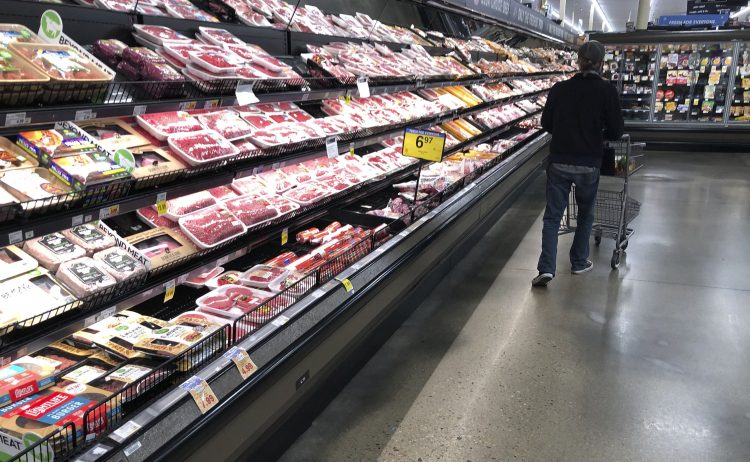
Prices have not fallen. Electricity prices are up over 6% from a year ago. Grocery prices have risen too—nearly 3% over the last year. Nearly half of Americans report it is more difficult to afford groceries than it was a year ago. If you were hoping for relief on your health insurance premiums—think again. Family premiums for employee-sponsored health insurance are up 6%.
American households are feeling the strain. Wages have not kept up with these price increases, meaning that the average consumer’s buying power has either stagnated or fallen.
But the difficulties don’t end there. The One Big Beautiful Bill Act (OBBB) cut $186 billion in food assistance through SNAP (Supplemental Nutrition Assistance Program)—directly impacting some 42 million Americans, many of whom are elderly, disabled, and children. Far from making healthcare more accessible, OBBB changes in Medicaid eligibility will leave an estimated 10 to 15 million Americans without coverage. Despite shutting out poor families from healthcare and food benefits, the OBBB will contribute $3.4 trillion to the debt.
Although they are touted as a windfall for the United States, tariffs make these problems exponentially worse. Although we’re assured that foreign states, like China, will pay for the tariffs, economics teaches us who really pays—domestic firms who import goods from abroad and the consumers who face higher prices as a result. Historical evidence is crystal clear that tariffs are effectively a tax on domestic consumers, including those from the first Trump term that raised prices on American households on items like washers and dryers.
It is estimated that Trump’s new tariffs will amount to a $1,200 tax increase per household, with a $1,600 increase next year. For perspective, that’s nearly two-months’ worth of groceries for a family of four on a “thrifty” budget.
But what about the debt?
The higher prices faced by consumers, combined with the tariffs, restrict economic activity, with estimates ranging from an impact on GDP from -0.6% to -4%. Less economic activity means less government revenue, which does nothing to help the debt. While proponents of the tariff policies will quickly point to the forecasted $158.4 billion in tariff revenue in 2025, they conveniently omit that’s a tiny fraction of the $38 trillion in national debt and the impacts on American families.
With campaign promises unmet and ineffective, it comes as no surprise that President Trump’s approval rating has fallen. Perhaps this is why he’s suggested using tariff revenues to provide a $2,000 dividend to American households.
It’s difficult to think of a more backward economic policy.
Even if such a policy were passed by Congress, this is akin to putting a band-aid on a bullet wound. Not only would these “dividends” barely offset the price increases Americans now face because of bad trade policy, they are inherently inflationary. With these tariff checks in hand, consumers will spend—but this increased demand will have the effect of increasing prices. This makes affordability problems worse, not better.
And guess what? These will add to the debt too. Economists estimate that such a proposal would cost anywhere between $279.8 billion to $606.8 billion, much more than the $158.4 billion the tariffs are predicted to generate in tax revenue.
The administration is conducting policies that are counterproductive to affordability at best, and hostile to the working class at worst. Tariffs are a problem that drive inflation and hinder economic growth. Suggestions of a dividend check will only work to make a government-created problem even worse. If the administration really wanted to help with affordability, it would end the detrimental tariff policies. Instead of stripping away benefits from the poorest Americans, policymakers should be considering what policies would help people obtain their basic needs, not put stumbling blocks in their path.
