




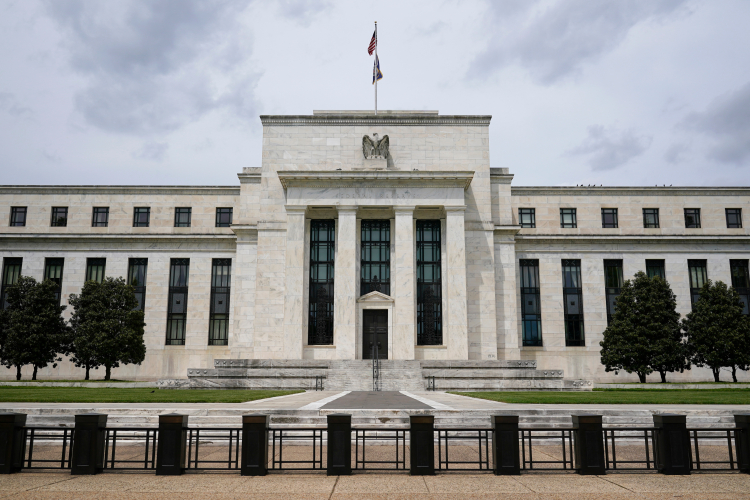
The Federal Reserve seems to be quietly shifting its inflation goalposts above its 2% target that has anchored policy since 2012, even as it continues to emphasize its dual mandate of fostering maximum employment while containing inflation. With a new Fed chief to be named and set to take over in May, more openness to additional easing, the recent rate cuts aimed at supporting a softening labor market signal a growing willingness to tolerate a slightly higher inflation range in both the near and longer-term.
If the Federal Reserve is indeed moving toward a more flexible inflation goalpost, private markets stand to draw even greater attention from retail and institutional investors, especially as investors rethink what assets hold up best when policy signals become less clear.
The strength of private markets: resilience
Higher volatility and an unsettled inflation outlook are already challenging stretched public-market valuations in the U.S. and Europe, prompting investors to reassess where to commit capital. In this environment, private assets can help balance risk and deliver more consistent returns by adding diversification, lower correlation and defensive characteristics—making portfolios more resilient to unexpected economic swings.
The appeal of real, tangible asset ownership remains strong in the private markets even with the illiquidity premium. Infrastructure, energy, utilities and data-center platforms could provide consistent cash flows and inherent inflation protection through pass-through pricing, making them increasingly attractive as the macro backdrop becomes more uncertain.
And as Fed leadership transitions, changes in communication and policy may add to market uncertainty, boosting the appeal of stable, inflation-resilient assets. Some dovish members—Stephen Miran, Raphael Bostic and Michelle Bowman—have even suggested moving to an inflation target range above 2% once the target is achieved. While a fixed target supports credibility, it limits flexibility when inflation and employment diverge. A range offers more leeway but could raise long-term rates if inflation stays near the top, likely increasing volatility and further enhancing the appeal of private assets.
Who benefits structurally over time?
Beyond the near-term market reaction, a more flexible approach to inflation could have quieter, longer-term effects that play out over time.
When inflation sticks around, the benefits of owning assets with real economic backing and holding assets with fixed returns become more important. Physical assets are often structured to adjust gradually through contracts or regulatory frameworks, while bonds and public stocks that depend on stable long-term rates can be more exposed when inflation expectations change or when markets begin to question policy signals.
This is not about chasing short-term performance. It is about how portfolios are structured to manage risk in the long run. If inflation sticks around, owning real assets will hold and increase in value. Private markets, which are built around owning and managing assets, will stay relevant even after volatility dies down.
Why inflation flexibility matters for investors
A more flexible framework around inflation will gradually change how risk is priced. The issue is not whether rates move higher or lower, but why they move.
Long-term rates could remain elevated not because growth is accelerating, but because inflation risk feels harder to pin down. This distinction matters. Rates tied to stronger growth often come with improving earnings and confidence. Rates shaped by inflation uncertainty tend to bring more volatility and place pressure on assets that depend on stable long-term assumptions.
Changes in Fed leadership add uncertainty. Some policymakers have floated the idea that once inflation is closer to target, a range might make more sense than a single number. That would give the Fed more flexibility, but it would also leave markets less certain about how much inflation policymakers are willing to live with.
What this could mean for investors?
If the Fed ultimately embraces a higher or more flexible inflation target, it would mark a structural shift in the investment landscape. Within this market context, private markets—anchored by real assets and long-duration cash flows—are likely to play an increasingly central role in delivering stability and inflation-adjusted returns.
