




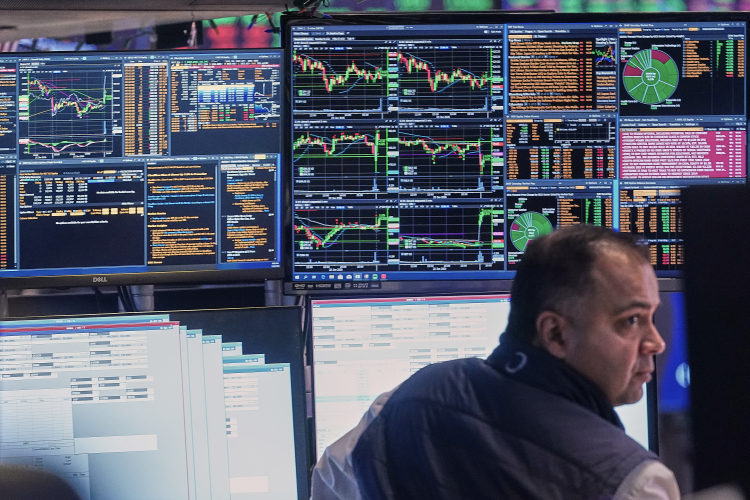
On April 7 of last year, with tariff panic gripping the markets and the Dow plunging toward 38,000, I went on CNBC’s Squawk Box with a simple message: relax. The Dow was on a clear path to 50,000.
Last Friday, that milestone was reached.
My forecast wasn’t luck, bravado, or market cheerleading. It was analysis—rooted in a supply-side growth model that Wall Street continues to underestimate, misunderstand, or dismiss outright.
The Trump economy is engineered for sustained expansion. It runs on four mutually reinforcing growth engines.
First, tax relief. Lower marginal rates on businesses and workers increase after-tax returns on investment, raise labor participation incentives, and accelerate capital formation. The result is faster productivity growth—the only durable source of rising real wages.
Second, deregulation. Rolling back unnecessary compliance costs lowers fixed costs across manufacturing, energy, transportation, and finance. This is not ideological—it is arithmetic. Reduced regulatory drag raises output per unit of capital and labor, expanding potential GDP.
Third, strategic energy dominance. Abundant domestic energy does more than lower gasoline and diesel prices. It reduces electricity costs, and critically, fertilizer and petrochemical input costs. Energy is embedded in almost everything. When energy is cheap and reliable, inflationary pressures fall and margins expand across the economy.
Fourth—and most misunderstood—strategic tariffs.
The Trump tariffs are not inflationary taxes on American consumers, as critics reflexively claim. They are defensive instruments against foreign dumping, subsidies, and mercantilist currency practices.
Tariff incidence is determined through the adjustment process—price cuts by foreign exporters, margin compression, supply-chain reshoring, currency movements, and productivity gains—not by who writes the check at the port. Export-dependent economies bear a substantial share of the burden, particularly when access to the U.S. consumer market is at stake.
The payoff is visible: protected domestic production, surging capital investment, stronger productivity growth, and rising real wages. Add to that hundreds of billions of dollars in tariff revenues—revenue that helps offset the massive debt accumulated during the Biden years—and the macro picture becomes clear.
The Trumpnomics Point: Dow 50,000 is not a speculative bubble. It is the valuation response to a growth-optimized policy regime.
Nor is this the first time the model has worked.
The day after the 2016 election, with futures sharply negative, I also appeared on CNBC’s Squawk Box and predicted a Dow of 25,000—explaining to a skeptical Joe Kernen how the same four engines would power a sustained expansion. The Dow hit 25,000 within a year. Until a virus from China disrupted the global economy, growth was strong, real wages were rising, and both equity and bond markets remained bullish.
Wall Street would do well to internalize what Main Street already understands: supply-side economics works when it is executed comprehensively and enforced strategically.
Dow 50,000 is not the end of the story. It is the market beginning—once again—to price in American prosperity under Trump-style economic leadership. For retirees, long-term investors, and pension funds that depend on sustained growth rather than financial engineering, a productive, investment-driven Trump economy provides not just higher returns, but long-term solvency, financial security, and peace of mind.
