




Headline consumer prices rose just 0.17 percent for the month, pulling year-over-year inflation down to 2.4 percent. Core inflation came in contained at 0.30 percent for January and 2.5 percent over the past year. For business leaders and investors focused on trajectory rather than noise, the direction is unmistakable: price pressures continue to ease while growth remains intact.
That supply side mix changes the policy calculus—and once again reminds the Fed it is waiting too long to further cut rates.
Energy again did much of the heavy lifting. Prices fell 1.5 percent in January, led by a meaningful drop in gasoline. Energy is the transmission mechanism of inflation—affecting transportation, food production, manufacturing inputs, and services. When domestic supply expands and price pressures ease at the source, the disinflationary effects ripple outward. That is now visible in the data.
The tariff inflation narrative also took another hit.
Core goods prices were flat in January and are running just over one percent year-over-year. If tariffs were inherently inflationary, the evidence would show up first in import-heavy consumer goods. It does not.
The data continue to debunk the claim that trade enforcement automatically translates into higher consumer prices. Instead, supply chains are stabilizing, domestic production is strengthening, and goods inflation remains contained. The globalist spin does not survive contact with the arithmetic.
Shelter remains the largest contributor to overall CPI, but it continues to moderate. Monthly increases in rent and owners’ equivalent rent are restrained, and year-over-year shelter inflation is trending lower.
Because shelter is measured with a lag, private market rent data suggest further cooling ahead. As housing supply gradually expands and financing conditions improve, shelter disinflation should continue to feed into the headline numbers.
Food inflation was modest overall. Egg prices have normalized sharply from prior spikes, largely because of swift action by the Secretary of Agriculture—it only takes 45 days from hatched egg to supermarket broilers so this one has been faster to address.
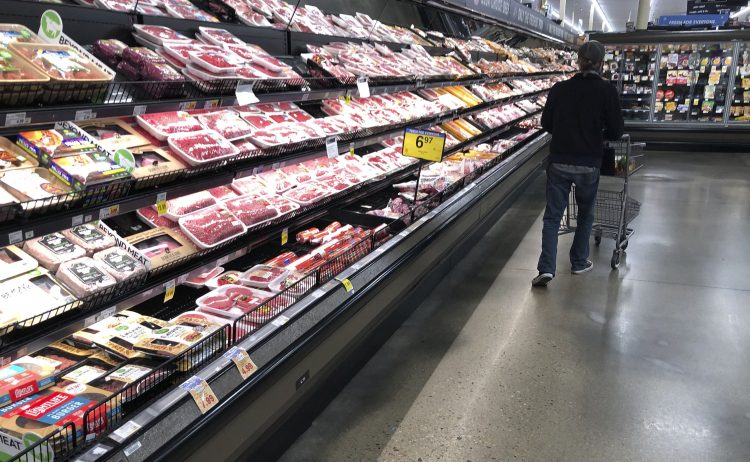
Beef, on the other hand, is a one and a half to two year cycle, and beef prices remain elevated year-over-year, reflecting global herd contraction and supply constraints.
This is not a short-term fluctuation; it is a structural issue. The administration is working on both sides of the ledger—expanding access to grazing land to rebuild domestic capacity and cracking down on concentration in meat processing markets, particularly the dominant Brazilian-controlled firms whose pricing power has distorted competition. Restoring balance in that sector will take time, but the effort is active and ongoing and has our full attention.
Rising real wages remain a key offset. Affordability is a race between price inflation and rising wages. When real wages rise, affordability improves, and that is exactly what we are seeing with the coming of Donald Trump—real wages fell significantly during the Biden administration.
In this latest report, average hourly earnings have outpaced inflation over the past year, especially for production and non-supervisory workers. Disinflation accompanied by real income gains supports consumption without reigniting price pressure. That is the macroeconomic sweet spot.
Financial markets recognized the signal quickly. The ten-year Treasury yield moved lower following the CPI release—even after a blowout jobs report just days earlier.
Strong employment combined with moderating inflation is precisely the combination that provides the Federal Reserve more incentive and more runway to begin lowering rates sooner rather than later.
Easing price pressures reduce the risk of premature cuts, while resilient growth reduces the fear of recession. For equities, that is supportive. For bonds, it reinforces the case for declining yields.
The broader point is simple. This is not recession-driven disinflation. It is gradual normalization consistent with expanded energy supply, a reduced regulatory burden, strategic energy dominance, easing bottlenecks, disciplined fiscal posture, billions in tariff revenues shrinking the national debt, and stable demand.
January’s CPI reinforces the trend: inflation is cooling, growth is holding, real wages are rising, and the Federal Reserve now has greater policy space to respond.
For markets and for businesses making capital allocation decisions, that is a constructive—and increasingly convincing—backdrop.
