




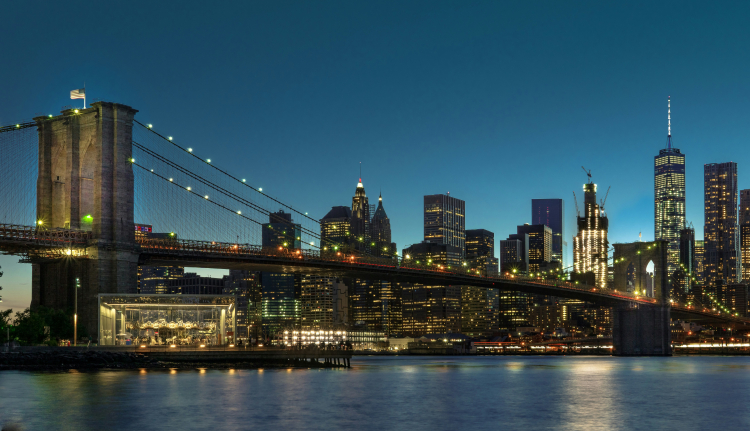
People travel from around the world to visit Brooklyn. The “outer borough” formerly known as “Crooklyn” is increasingly a destination for travelers the world over.
As David Ibsen, executive director of Americans for Free Markets explains it, family members regularly visit him without entering Manhattan. Ibsen lives in Manhattan, and while living there has long been tantamount to having an endless string of visitors, his family and friends prefer the bars, restaurants and skyline views that Brooklyn provides.
Ibsen shares their adoration. Which is the point, though not one that all-too-many economists, pundits and politicians grasp.
Of the persistent view that a “crisis” is behind every tree, expensive, seemingly “out-of-reach” housing is the crisis du jour. Supposedly young Americans face a bleak future bereft of the home ownership that has supposedly brought so much happiness and wellbeing to their parents. That’s one way of looking at it.
Another way is to remember that home ownership is a rather lousy non-investment relative to stocks and stock funds that the ownership of doesn’t require costly monthly and annual maintenance. That’s merely the beginning of the deficiencies that come with home ownership.
Bigger than the costs of consuming a market good on a plot of land versus owning the genius of humans around the U.S. and world is that ownership of a home violates comparative advantage. With the latter, individuals pursue the work that elevates their unique skills and intelligence, and then trade the fruits of the work that brings out the best in them for what they don’t have.
Simplified, most of us would be pathetic, sad, starving and perhaps dying if we had to cut our own hair, design our clothes, grow our food, and construct what shelters us. Thanks to everyone pursuing their unique advantage in what is largely a free society, we don’t need to spend our precious time doing what we’re not good at doing.
Despite this, economists, pundits and politicians talk endlessly about the alleged “dream” of home ownership. Why? How is it a dream to take over management of something most of us haven’t a faint clue about? What’s your answer when the technician says you need a new air conditioner? Tick tock, tick tock.
So, while housing saps savings, investment and the unique skills we all bring to the marketplace, there’s also Brooklyn. It used to be what people avoided, but now it’s a New York City lure. And we have nosebleed prices in Manhattan to thank for Brooklyn’s revival.
It reinforces the beauty of price signals. They organize the market economy. Countless New Yorkers and would-be New Yorkers being priced out of Manhattan wasn’t a crisis any more than it’s a crisis if most Californians can’t live in Brentwood, Beverly Hills, or Laguna Beach.
What is inaccessible creates incentives among those who do know a thing or two about housing to build where they aren’t, or where they’re not so attractive. Only for a positive evolution to take place not just with housing, but restaurants, bars, and entertainment more broadly. No doubt California’s expensive, but the beneficiaries of the latter have been cities and towns in Arizona, Idaho, Texas and Utah.
What the experts deem “crises” usually aren’t. They’re just markets at work telling bargain hunters what to improve next. Yes, high prices are a signal of improvement, not a call for more policy.
