




Twenty years ago, experts predicted that people would eventually stop accumulating stuff as the digital age took hold. Why keep a collection of CDs when your music can be stored and sorted neatly on Spotify? What is the point of filing reams of paper documents when you can store everything in the cloud? And photo albums seem like relics when you have Google Photos.
But it didn’t work out as experts predicted. The modern economy hasn’t exactly encouraged the decluttering of our lives. E-commerce has made buying easier, expanded resale markets, and turned niche interests into large industries.
And along with this, hands-on hobbies and collectibles experienced a resurgence. From the widespread rediscovery of vinyl records to the revival of the mechanical watch industry, people are still accumulating physical goods, keeping things they can hold — either for sentimental value or, increasingly, to possess a tangible asset.
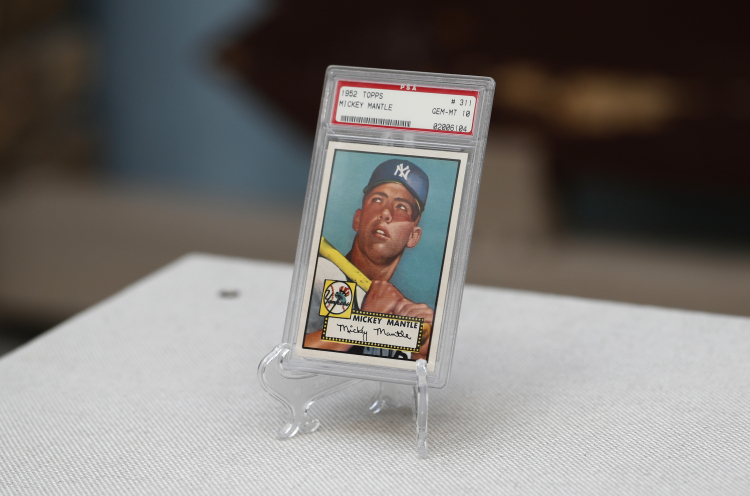
All this may explain how the once-modest hobby of trading card collecting has turned into a multibillion-dollar industry. Yes, that’s right, trading cards are arguably more popular than ever, and the industry is exploding – with analysts projecting the market at $7.8 billion in 2025 and $11.8 billion by 2030.
In fact, the growth of the trading cards market has been so massive that it has caught the attention of regulators who, regrettably enough, may turn an old pastime into a regulatory battleground. In late 2025, the Federal Trade Commission (FTC) began facing calls to investigate the market over concerns that certain sales practices blur the line between collecting and gambling.
At the center of the controversy — and much of the industry’s recent growth — is the rise of so-called “card breaking,” gatherings of hobbyists that surged in popularity during the COVID-19 pandemic. In a typical break, a host opens sealed boxes of cards – sometimes on livestreamed forums while participants purchase slots involving specific teams, divisions, or players.
What those participants ultimately receive depends entirely on chance: they are paying not for a guaranteed card, but for the possibility that they pull a popular card from a given box when their slot comes up. The randomness — and the sometimes dramatic payoff — is precisely what has fueled both the format’s popularity and the regulatory scrutiny surrounding it.
But to reduce card breaking to a debate about probability misseswhat has made it so powerful. Card breaks not only generate an electric atmosphere that feels like a mix of a UFC title fight and a Vegas-style magic show. The gathering also draw millions of viewers and participants from around the globe. In the process, a pastime that was once largely solitary has evolved into a new form of social commerce for a virtually connected world by blending shopping, entertainment, and collecting.
Traditionalists may balk at the fast-paced, transactional, live-streamed nature of card breaking and pine for the slower rhythm of decades past, but breaking is very much a symbol of how we operate in a globally connected society. The individuals who host breaks are influencers, entertainers, and retailers all in one. Instead of musty card shops in suburban strip malls, they conduct business on Twitch, Discord, YouTube, Instagram, and Whatnot. Breaks are as much about generating compelling content and building community as they are about trading and commerce.
This merger of digital spectacle with the tangible reward of a physical product has changed not only how people collect but also how collections are valued. Headlines were made when a one-of-a-kind Michael Jordan and Kobe Bryant autographed patch card sold earlier this year for nearly $13 million. Yet, breaking has also democratized access to cards once considered out of reach for all but the wealthiest collectors, allowing people with far smaller bank accounts to build meaningful collections of their own.
But card breaking is not just about building collections people can be proud of. In fact, many collectors cite the excitement and the ability to connect with others who share the same passion as one of the primary reasons they participate. That was certainly true during the dark days of pandemic-induced social isolation, and it remains a theme that resonates with break participants.
In the end, the experts were right about one thing: the world did indeed go digital. But what they did not see was how reluctant people are to give up their stuff.
