




Affordability became a key slogan due to the dramatic price increases during the last Democratic administration's high inflation years and its subsequent use in campaigns over the last two elections. Exactly what costs are of greatest concern to American voters?
Is it household expenses like rent, groceries, and utilities? What about the cost of healthcare? Transportation, like cars and gasoline? And, what about the fees and interest associated with credit cards?
My organization, Consumer Action for a Strong Economy (CASE), wanted to know what Americans were thinking when they expressed concerns about affordability. So, we asked them.
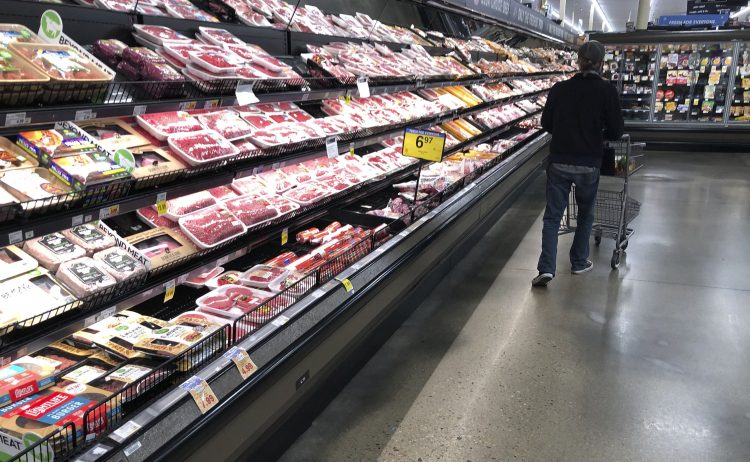
A recent survey conducted by CASE with polling firm Grayhouse asked voters what was their single biggest affordability concern. The price of groceries came in first place, with 27 percent. Second went to healthcare at 20 percent. At 19 percent, housing came in a very close third.
That grocery prices came in first doesn't surprise considering bipartisan embrace of the economy's closure in 2020, and the higher every day prices made inevitable by the latter. The unaffordability of the Affordable Care Act has been in the news frequently this year, so healthcare coming in second is understandable. And since the average age of a first-time homebuyer has now surpassed 40, housing being a close third made sense, too.
With significant attention being given to proposals that would cap credit card interest rates and fees, you might have expected consumers to mention them when expressing their concerns about affordability. Turns out, they barely make the list. Only five percent cited credit card costs as a top affordability concern for their family.
It might be instructive to examine what those surveyed said about their use of credit cards to understand why these wallet mainstays failed to rank highly on voters’ list of affordability concerns. As it turns out, 86 percent of credit card holders are satisfied with their current card. Significantly, 81 percent are earning rewards when using their cards.
Those rewards appear to be a driving force in the way Americans view credit cards. Fully 65 percent of those surveyed said that credit card rewards are important to their household finances. Evidently, those who have credit cards with cashback rewards view the use of those cards as a significant tool in making life more, not less, affordable.
Americans’ satisfaction with the credit cards in their wallet is also evidence of the free market working. Like with most goods and services, consumers comparative shop credit card offerings. When card issuers offer greater value, they secure more customers. And, consumers respond by shopping for the card that provides them with the benefits that best suit their needs.
Americans still think groceries cost too much. While the prices on several items have declined and inflation is nowhere near what it was during Biden’s term, people can still recall when it cost less to fill their shopping cart. Many can still remember what it was like before Obamacare, when they weren’t paying so much for health insurance and healthcare.
Credit cards barely make the list of concerns because so many Americans view them as helping them make ends meet. Consequently, an overwhelming majority of Americans like their credit card, with nearly two-thirds using its cashback rewards to make their life a little more affordable. In these contentious times, good luck trying to find another consumer good that brings that level of satisfaction.
