




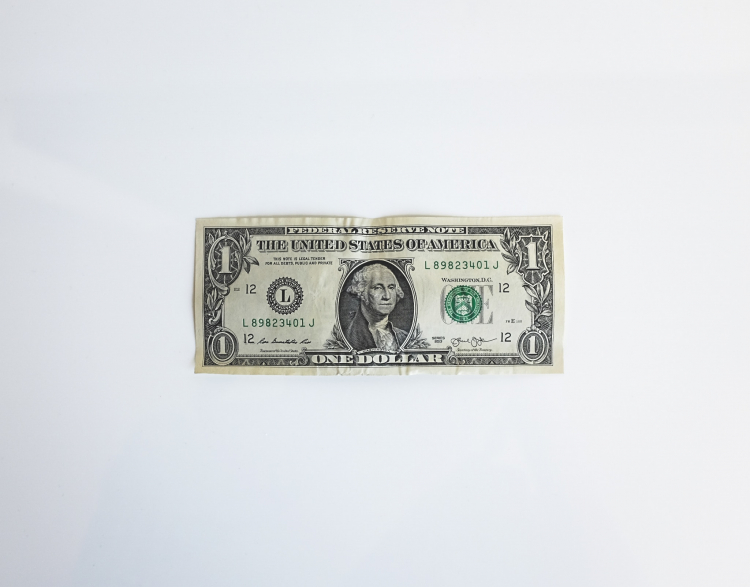
The U.S. dollar's role as the world's reserve currency is often portrayed as an "exorbitant privilege" granting America endless benefits like cheap borrowing and global clout. Career economists fill books and panels with this narrative, implying dollar dominance is a perpetual free lunch. But common sense reveals a simpler truth: The dollar's power stems 90% from U.S. economic fundamentals—scale, stability, productivity—with reserve perks adding modest, often net-neutral gains that balance out across society.
Disproportionate Wealth, Modest Perks
America's household net worth hovers around 165–170 trillion against a 30 trillion GDP, a 5.6x ratio that dwarfs global norms. This looks disproportionate, but reserve status contributes just 10–15% via foreign demand for Treasuries and assets. It lowers U.S. borrowing costs by 10–30 basis points—saving perhaps $80–200 billion yearly (0.3–0.7% of GDP)—while bidding up stocks and homes. Yet these inflows finance trade deficits, hurting exporters and manufacturing (3–4% of GDP). Net national boost: real but small, amplified by jargon more than magic.
Triffin Tension: No Infinite Ride
The Triffin dilemma posits the U.S. must run deficits to supply global dollars, risking inflation fears from endless imbalances. Intuition balks: Won't zero deficits tank the dollar? No—fiscal balance signals strength, shrinking trade gaps and sparking appreciation, as in the 1990s Clinton surpluses. Reserve demand persists from trust in U.S. solvency, not deficits alone. The "balancing" happens gradually via share erosion (dollar reserves: 71% in 1999 to 58% in 2025), not collapse. Economists hype urgency; reality is sticky inertia.
Tradeoffs: Winners, Losers, Net Neutral
Exports help farmers and factories but raise consumer prices; imports do the reverse. Low reserve-driven rates aid borrowers and stocks (top 10% wealth holders) but sting savers and retirees. Strong dollar boosts import affordability yet crimps competitiveness abroad.
Voluntary exchanges enrich the whole, but distributional pain is real—no free lunch.
Hypothetical: Strip Away Inertia
Imagine instant, frictionless global exchangeability—like the internet's ubiquity—where transactions use native currencies. Dollar share in trade (54%) and reserves drops to 40–50%, eroding some perks. Yet U.S. primacy endures: 25% of world GDP, deepest markets, rule of law. Strength retains ~90%, proving fundamentals > network effects.
Conclusion: Productivity Over Privilege
Economists inflate the reserve narrative to sound profound, but common sense prevails. U.S. exceptionalism—innovation, institutions, scale—drives the dollar. Perks amplify without creating power. In a multi-currency world, America thrives on merits earned, not hype borrowed.
