




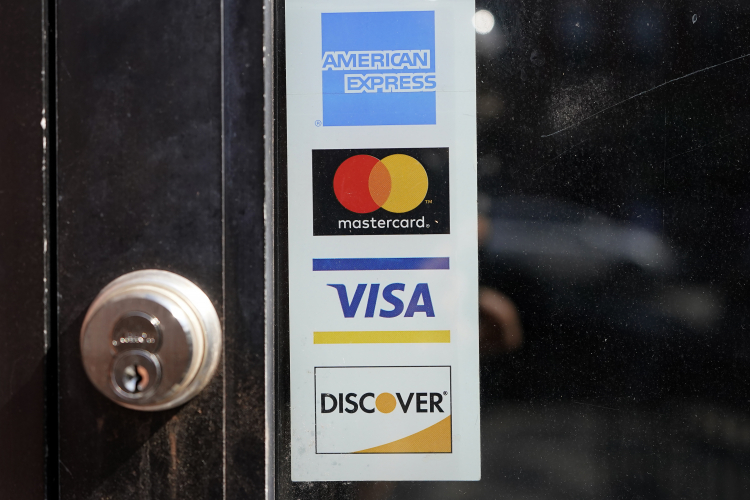
Politicians constantly find their way into your pocket book — and not just to take their cut, but to tinker with how our cards and accounts function. From new, product-specific sales taxes to insurance mandates, the government just can’t kick the urge to meddle with our means of procuring goods and services. Their latest target is credit card swipe fees.
In recent years, these fees have reached a record high — totalling $246 billion in 2024. Consumers have noticed this at the cash register, as their grocery bills and routine shopping costs come with an extra charge at the end. And as political campaigns shift their focus to the issue of affordability, lawmakers have turned their ire to these charges as the culprit for cost of living challenges.
This is a mistake. Banning or regulating credit card fees will not bring down the price of eggs or shampoo. Inflation isn’t Visa or Mastercard’s fault. Legislation aimed to curb credit card swipe fees will only hurt the ability for America’s financial institutions to provide shoppers with the lines of credit that nearly two thirds of Americans use to put food on the table.
Nevertheless, many states have meddled with the credit market. At the moment, 10 states prohibit merchants from adding surcharges to transactions altogether. And seven more states are looking to join them, including Pennsylvania, New Jersey and Illinois. Likewise, legislation already passed in Illinois and pending in Colorado would restrict fees from being charged on sales tax.
These bills are sold to legislators and their constituents as harmless ways to save people money at the end of the checkout line. However, such restrictions on how credit card companies earn revenue off the service they provide — a line of credit, seamless transactions, and benefits beyond the checkout line from cash back to airline points — are seriously damaging. Controlling the prices credit card companies offer businesses and their customers will seriously damage market competition, rewards’ offerings and service quality.
Expect existing loyalty point rewards programs offered by credit card companies to deteriorate if these bans become more common nationwide. Transaction fees often help fund these programs. From airline and Uber miles to Starbucks drinks and hotel stays, loyalty points stimulate spending in many sectors of the economy and allow working class people to enjoy many things they may otherwise be unable to afford.
You can also expect the quality of consumer products offered by American financial companies to deteriorate. Why should they offer greater accessibility to emerging digital platforms without a profit motive? Everything from card security to customer service will get worse.
Perhaps most importantly, forcing financial institutions to absorb the part, or all, of the operating cost of a transaction will make it impossible for startups and entrepreneurs to enter the credit market. While big banks will be able to continue offering credit cards, potentially even operating at a loss, their smaller competitors will collapse. It’s hard to grow a business that can contend with market giants while you’re being restricted from raising revenue on the product you provide.
Big banks will love these restrictions for the security they provide to their enormous market share.
In the end, targeting credit card fees may be politically convenient, but it is seriously misguided. These policies won’t lower prices at the checkout line. They will simply shift costs, reduce competition, and strip away benefits that many consumers prefer and that millions rely on every day. By interfering in a system that funds credit access, rewards programs, and secure transactions, lawmakers risk leaving Americans with fewer choices and worse financial services.
