




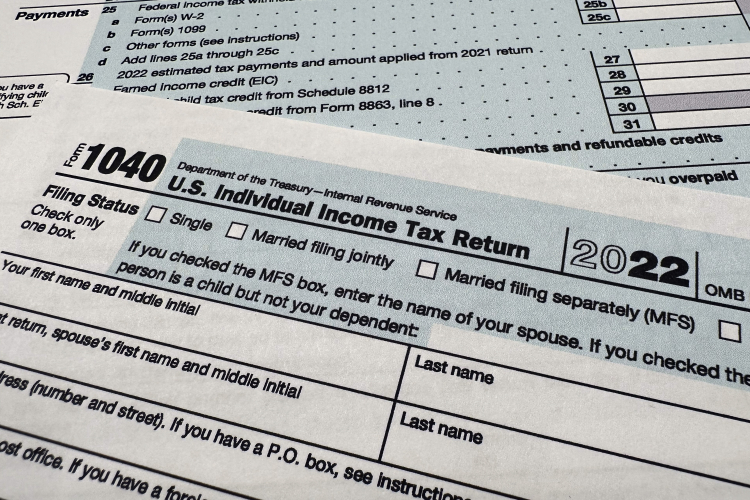
Tax Day marks the end of many Americans’ annual tax stress, but for high-income taxpayers with complex returns, the 2026 anxiety season may drag on for a very long time.
With the IRS losing more than a quarter of its employees during 2025 – 28,000, according to The National Taxpayer Advocate – complex tax returns are likely to face a long slog in processing. Since those complex returns are generally the province of business owners and wealthy individuals, big questions that translate into large dollar amounts could take months (or even years) to answer.
That means taxpayers with a lot to gain or lose through IRS decisions and rulings will be left hanging with little recourse to speed up the process. Layer in the complexities of the first tax season with the One Big Beautiful Bill Act and all its tax code changes, and we’re facing a recipe for serious processing problems.
Experienced tax practitioners have long observed breakdowns in the IRS’s taxpayer service culture. All late night TV monologue jokes to the contrary, the IRS actually for decades was a relatively efficient and responsive bureaucracy.
That doesn’t mean it was taxpayer-friendly, but it does mean that tax advisors like me were generally able to get answers from a human being on critical client questions, and engage in timely negotiations on important client return matters.
But as other tax experts have noted in my RealClear Markets “Auditing the IRS” interviews, the IRS has been suffering from a brain drain for more than a decade. The Service can’t pay enough to get the kind of talent it needs to provide effective service for matters as critical to Americans as their tax bills are. Skilled forensic accountants, tax attorneys, and financial analysts are all in demand and almost always at higher pay rates in the private sector.
That leaves taxpayers with novel or complex tax matters at the back of the line for processing. While the IRS isn’t good at technology rollouts, it has nonetheless installed sufficient automation and AI technology that the average W-2 filer with their bank statements and investment accounts and retirement accounts should have no trouble having their return processed and getting their refund.
The IRS issued a release earlier this month saying they were processing most returns in a timely fashion. But judging by their statistics, their efficiency is showing up in more modest returns. The IRS says its average refund processed so far has been $3,571, which would most often indicate income ranging from $30,000 to just over $100,000, depending on other factors.
But those taxpayers with any complexity to their return -- especially if they're expecting to receive a refund – are going to be facing a different reality. Taxpayers expecting to pay more than $100,000 in taxes, unless they have unusually simple returns, often face added scrutiny and intervention, and the IRS employees to do that are simply in short supply.
The timing of the workforce reductions are meeting the timing of the OBBBA tax code changes to lay a further land mine for tax professionals and taxpayers alike: Some complex changes for businesses, like those pertaining to certain employee compensation and overtime payments, as well as depreciation schedules for qualified production property, have led the IRS to effectively wave the white flag and admit their preparations are lacking. They have instead issued guidance to tax professionals telling them to use “any reasonable method” to determine deductions and expenses.
That’s a big red flag for me as a tax practitioner. It’s a changed world for taxpayers, and frankly, not a better one.
I hope I'm sorely wrong. I hope at the end of this tax season that I look back and say, “I was too pessimistic.” If I am, I’ll feast on humble pie and give credit to a leaner, resurgent IRS. I’ll send Acting IRS CEO Frank Bisignano a fruit basket. But I worry I’m not.
That’s not all bad news for higher income taxpayers. After all, you typically don't hear back from the IRS unless you're expecting a refund. You file your return, you expect that your advisors have done it correctly, and the three year period for the statute of limitations starts ticking. If no communication comes back to you, you're good.
It doesn't take much, really, to have a complex return. A couple of K1s from private investments you may have made, a couple of rental properties on a Schedule E, or your ownership of a couple Schedule C businesses. That’s about all it takes to go from the IRS saying, “We can match your W-2 and your 1099s with automation and you’re good to go,” to “Wait a minute – someone needs to review this.”
But there aren’t enough IRS agents to do it.
The reality is that it’s already taking several years to process some amended returns. I’ve seen it in my own client base. The IRS is still struggling to finish all the ERC claims from the COVID era.
Add to all this the insane stop-start, stop-start of multiple government shutdowns, and it leads me to these main admonitions: Keep exacting records, always. Work proactively with your tax professionals to make the most accurate tax calculations humanly possible. Don’t willingly overpay your estimates given the long delay to get refunds.
In short, your tax return needs to tell the story of your year. It’s worth the effort required to make sure it’s non-fiction.
The OBBBA and the lingering ERC problems meant that the IRS started out on defense deep in its own zone this year. Now they’re playing catch-up without thousands of their most experienced teammates on the bench.
It’s not a recipe for happiness for financially successful Americans.
