You’ve probably heard the warnings: Big Tech is pouring hundreds of billions into AI data centers, chips, and power infrastructure in a frenzied race that looks suspiciously like past bubbles. Michael Burry is betting against it with Nvidia puts. Skeptics call it the “greatest capital misallocation in history.” But zoom out, and history tells a more hopeful story. Overcapacity isn’t new—and in every major case, the short-term chaos eventually gave way to long-term transformation. Let’s break it down, step by step.
First, What Exactly Is Overcapacity?
Industries sometimes get hit with too much supply—more factories, networks, or compute power than the market actually needs right now. It happens when lots of firms make big, simultaneous bets on expansion. Why?
- Forecasting mistakes and hype: Everyone gets optimistic at the same time and builds ahead of real demand.
- Strategic arms races: Companies fear falling behind rivals, so they match (or beat) each other’s investments.
- Lumpy tech upgrades: New breakthroughs require huge, indivisible builds—you can’t add capacity in tiny increments.
- Policy nudges and incentives: Cheap capital, subsidies, or executive bonuses tied to growth push things further.
The result? Prices drop, profits get squeezed, some players get hurt or go bust. But the excess infrastructure often sticks around… and eventually gets put to good use.
Today’s AI Arms Race: The Modern Version in Hyperdrive
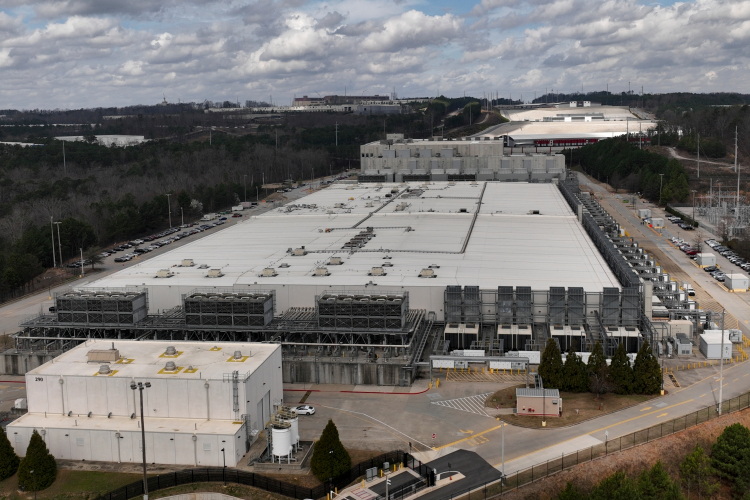
Right now, the hyperscalers—Amazon, Google (Alphabet), Microsoft, and Meta—are in full sprint mode. As of May 2026, their combined capital spending for the year is on track for $700–725 billion, a huge jump from last year’s already-record levels.That money is mostly going into AI data centers, GPUs, power plants, and related gear. Nvidia plays the classic “arms dealer” role—supplying the high-end chips everyone needs, just like Cisco did during the late-1990s internet buildout. Demand for AI compute is real and growing fast (training models, inference, enterprise tools), but the pace of building is so aggressive that some worry about overcapacity creeping in if adoption or returns lag.
Who’s Betting Against It? Michael Burry’s Put Options
One high-profile skeptic is Michael Burry (the investor made famous in The Big Short for predicting the 2008 housing crash). In April 2026, Burry revealed he added to his bearish bets on Nvidia by buying more put options.Here’s a simple explanation of how puts work:
Think of a put option like buying insurance against a stock price drop. You pay a small upfront fee (called the premium). In return, you get the right—but not the obligation—to sell 100 shares of the stock at a fixed “strike” price by a certain expiration date.If the stock price falls below the strike price by a lot, the put can become very valuable and you can make big profits. If the stock keeps rising instead, the put expires worthless and you only lose the premium you paid. It’s a leveraged way to bet against a stock without actually shorting it outright.Burry’s specific moves: He bought January 2027 $115 strike puts at a premium of about $3.30 per contract. He is also still holding earlier January 2027 $100 strike puts. At the time he added to the position, Nvidia was trading near $188—so these puts only pay off in a big way if the stock drops more than 40% by early 2027. Burry has described the trade as roughly 3% of notional value and says he expects some clarity on his thesis by late this year.He’s essentially wagering that the AI arms race could lead to overcapacity pain, rapid hardware obsolescence, or a slowdown in Big Tech’s spending—echoing past bubbles. He’s been early (and wrong on timing) before, but his track record keeps the market watching.
History’s Playbook: Three Times We’ve Seen This Movie
This isn’t the first rodeo. Here are three clear parallels where overcapacity created pain… but ultimately delivered huge societal wins.
1. The Dot-Com/Telecom Boom (late 1990s–early 2000s)
Companies raced to lay fiber-optic cables and build networks, betting on explosive internet growth. Cisco was the picks-and-shovels king. Overcapacity hit hard: bankruptcies, an 80%+ crash in telecom stocks, and massive write-downs. But that “excess” fiber became the backbone of today’s cloud, streaming, e-commerce, and mobile internet. The infrastructure endured and powered decades of digital growth.
2. Railroad Mania (1840s Britain and 19th-century U.S.)
Private companies simultaneously built thousands of miles of track in a speculative frenzy. Debt-fueled overbuilding led to crashes, panics, and consolidations. Many lines were abandoned short-term. Yet the network revolutionized trade, industry, and cities—laying the foundation for modern economic growth.
3. Canal Era (early 1800s U.S., especially the Erie Canal)
After early successes, states and firms rushed to dig canals. The 1837 Panic brought defaults and pain. But projects like the Erie Canal slashed shipping costs, boosted New York’s dominance, and accelerated the young nation’s economic takeoff.In every case, the short-term story was over-optimism, excess capacity, and financial pain. The long-term story? Foundational infrastructure that society absorbed, refined, and built upon for generations.
The Positive Spin: AI’s Overbuild Could Be the Next Great Foundation
The AI arms race fits the pattern perfectly—but with some modern advantages. Feedback loops are faster, the biggest players have stronger balance sheets than the dot-com speculators, and early real-world wins (in coding, search, productivity tools) suggest demand could scale quicker than in slower-moving eras. Even if there’s a digestion phase—some underutilized data centers, valuation resets, or a capex cool-down—the capacity being built today is likely to become tomorrow’s essential “intelligence infrastructure.”History shows us that these capacity gluts aren’t just waste; they’re often the messy price of progress. The railroads, canals, and fiber networks weren’t perfect investments in the moment, but they transformed economies and raised living standards for decades afterward.So yes, the AI buildout carries real risks. Timing matters, and not every player will win. But if the pattern holds, today’s overcapacity arms race could end up as the foundation for the next long boom in productivity, innovation, and economic growth.The chaos today? It might just be the sound of the future getting built—faster and bigger than we can yet imagine.
You’ve probably heard the warnings: Big Tech is pouring hundreds of billions into AI data centers, chips, and power infrastructure in a frenzied race that looks suspiciously like past bubbles. Michael Burry is betting against it with Nvidia puts. Skeptics call it the “greatest capital misallocation in history.” But zoom out, and history tells a more hopeful story. Overcapacity isn’t new—and in every major case, the short-term chaos eventually gave way to long-term transformation. Let’s break it down, step by step.
First, What Exactly Is Overcapacity?
Industries sometimes get hit with too much supply—more factories, networks, or compute power than the market actually needs right now. It happens when lots of firms make big, simultaneous bets on expansion. Why?
• Forecasting mistakes and hype: Everyone gets optimistic at the same time and builds ahead of real demand.
• Strategic arms races: Companies fear falling behind rivals, so they match (or beat) each other’s investments.
• Lumpy tech upgrades: New breakthroughs require huge, indivisible builds—you can’t add capacity in tiny increments.
• Policy nudges and incentives: Cheap capital, subsidies, or executive bonuses tied to growth push things further.
The result? Prices drop, profits get squeezed, some players get hurt or go bust. But the excess infrastructure often sticks around… and eventually gets put to good use.
Today’s AI Arms Race: The Modern Version in Hyperdrive
Right now, the hyperscalers—Amazon, Google (Alphabet), Microsoft, and Meta—are in full sprint mode. As of May 2026, their combined capital spending for the year is on track for $700–725 billion, a huge jump from last year’s already-record levels.That money is mostly going into AI data centers, GPUs, power plants, and related gear. Nvidia plays the classic “arms dealer” role—supplying the high-end chips everyone needs, just like Cisco did during the late-1990s internet buildout. Demand for AI compute is real and growing fast (training models, inference, enterprise tools), but the pace of building is so aggressive that some worry about overcapacity creeping in if adoption or returns lag.
Who’s Betting Against It? Michael Burry’s Put Options
One high-profile skeptic is Michael Burry (the investor made famous in The Big Short for predicting the 2008 housing crash). In April 2026, Burry revealed he added to his bearish bets on Nvidia by buying more put options.Here’s a simple explanation of how puts work:
Think of a put option like buying insurance against a stock price drop. You pay a small upfront fee (called the premium). In return, you get the right—but not the obligation—to sell 100 shares of the stock at a fixed “strike” price by a certain expiration date.If the stock price falls below the strike price by a lot, the put can become very valuable and you can make big profits. If the stock keeps rising instead, the put expires worthless and you only lose the premium you paid. It’s a leveraged way to bet against a stock without actually shorting it outright.Burry’s specific moves: He bought January 2027 $115 strike puts at a premium of about $3.30 per contract. He is also still holding earlier January 2027 $100 strike puts. At the time he added to the position, Nvidia was trading near $188—so these puts only pay off in a big way if the stock drops more than 40% by early 2027. Burry has described the trade as roughly 3% of notional value and says he expects some clarity on his thesis by late this year.He’s essentially wagering that the AI arms race could lead to overcapacity pain, rapid hardware obsolescence, or a slowdown in Big Tech’s spending—echoing past bubbles. He’s been early (and wrong on timing) before, but his track record keeps the market watching.
History’s Playbook: Three Times We’ve Seen This Movie
This isn’t the first rodeo. Here are three clear parallels where overcapacity created pain… but ultimately delivered huge societal wins.
1. The Dot-Com/Telecom Boom (late 1990s–early 2000s)
Companies raced to lay fiber-optic cables and build networks, betting on explosive internet growth. Cisco was the picks-and-shovels king. Overcapacity hit hard: bankruptcies, an 80%+ crash in telecom stocks, and massive write-downs. But that “excess” fiber became the backbone of today’s cloud, streaming, e-commerce, and mobile internet. The infrastructure endured and powered decades of digital growth.
2. Railroad Mania (1840s Britain and 19th-century U.S.)
Private companies simultaneously built thousands of miles of track in a speculative frenzy. Debt-fueled overbuilding led to crashes, panics, and consolidations. Many lines were abandoned short-term. Yet the network revolutionized trade, industry, and cities—laying the foundation for modern economic growth.
3. Canal Era (early 1800s U.S., especially the Erie Canal)
After early successes, states and firms rushed to dig canals. The 1837 Panic brought defaults and pain. But projects like the Erie Canal slashed shipping costs, boosted New York’s dominance, and accelerated the young nation’s economic takeoff.In every case, the short-term story was over-optimism, excess capacity, and financial pain. The long-term story? Foundational infrastructure that society absorbed, refined, and built upon for generations.
The Positive Spin: AI’s Overbuild Could Be the Next Great Foundation
The AI arms race fits the pattern perfectly—but with some modern advantages. Feedback loops are faster, the biggest players have stronger balance sheets than the dot-com speculators, and early real-world wins (in coding, search, productivity tools) suggest demand could scale quicker than in slower-moving eras. Even if there’s a digestion phase—some underutilized data centers, valuation resets, or a capex cool-down—the capacity being built today is likely to become tomorrow’s essential “intelligence infrastructure.”History shows us that these capacity gluts aren’t just waste; they’re often the messy price of progress. The railroads, canals, and fiber networks weren’t perfect investments in the moment, but they transformed economies and raised living standards for decades afterward.So yes, the AI buildout carries real risks. Timing matters, and not every player will win. But if the pattern holds, today’s overcapacity arms race could end up as the foundation for the next long boom in productivity, innovation, and economic growth.The chaos today? It might just be the sound of the future getting built—faster and bigger than we can yet imagine.