




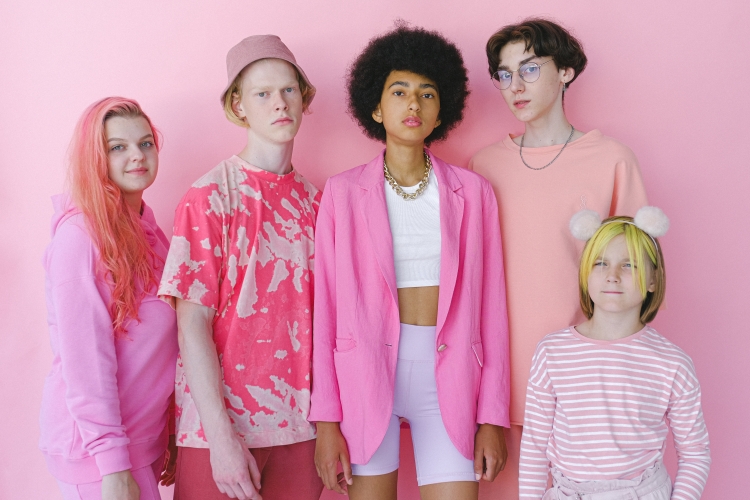
Generation Z will be the richest, most fortunate generation in the history of the richest, most fortunate nation in the world, the U.S. That is, until the generation that follows Gen Z reaches adulthood and beyond.
Seriously, what any “Boomer,” “Gen X,” or “Millennial” would give to be in their twenties today, or better yet, just born. Even better would be to not having been conceived yet. Think how lucky those kids will be.
The optimism is rooted in the obvious truth that we haven’t scratched the surface of technological advance. That’s the bad news, but the good news for Gen Z, for babies, and the babies that have yet to be born is that technological leaps hatching in the present will soon enough cause us to look back on the present as primitive.
If anyone doubts this, they need only read the opening pages of what is probably one of the most owned, but most unread books (even among economists) in the world: The Wealth of Nations. To open Smith’s book is to read about a pin factory that regular readers of this column have to read about routinely. Lucky them. You can’t hear about the pin factory Smith visited in the 18th century often enough.
Smith observed that one man working alone in the factory could maybe, maybe produce one pin per day, but ten working together in specialized fashion could produce tens of thousands. The division of labor is the most powerful force in economics, which is why young people should be so grateful they’re young, babies, or not yet born.
That’s because the technology that all those “socialists” out in California are developing today is poised to divide work and thought across billions and trillions of hands and minds in the way that the factories of old merely divided labor. What this tells us is that the advances that await Gen Z and beyond will lift healthcare, transportation, and communications technology in ways that are impossible to predict so grand will they be.
As for work, the billions and trillions of automated hands and minds poised to enter the labor force won’t render Gen Z, babies, and the soon-to-be-babies unemployable, rather they’ll free all lucky to enough to be young to do what they can't not do, not what they must.
Which means that in the future that awaits, we’ll all want to work precisely because work will be a reflection of joy. If anything, work will exist as a break from the life’s true challenges that will always and everywhere exist because life, by its very name, will always present challenges. So, while unhappiness, depression, feelings of being left out, heartbreaks, and myriad other cruelties will forever exist, they’ll be substantially mitigated by daily excitement about the work that will bestow dignity, purpose, and vastly increased living standards on those coming up.
So, don’t feel sorry for Gen Z, for babies, or even the babies of today’s babies. They’ll certainly be the luckiest yet, which means they’ll eventually write the same laments written about today’s Boomers, Gen Xers, and Millennials, all three generations formerly expected to live lesser lives than those who preceded them. It wasn’t true for them, nor will it be true for those entering the world today.
