




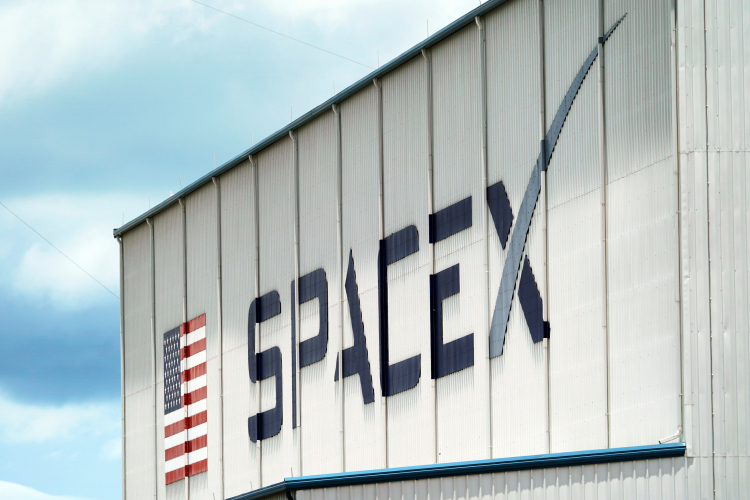
When we look at SpaceX, we see rockets. But what global capital markets are increasingly seeing is the ultimate data pipeline. The record-shattering market debut of SpaceX may someday be remembered as more than a milestone for Elon Musk or the space industry. It may mark the moment the world recognized that the race for artificial intelligence is no longer just a software boom—it is a physical, industrial revolution. While SpaceX builds in the heavens and AI builds in the digital cloud, they are fundamentally tethered by the same economic reality: the dramatic reduction in the cost of infrastructure.
Every transformative technology arrives with both excitement and skepticism. Railroads experienced booms and busts. The internet produced the dot-com bubble. Many companies failed, but the technologies themselves changed the world.
The railroad age was not built by railroad operators alone. It required steel makers, locomotive builders, financiers, and telegraph networks. The AI age may prove no different, requiring chips, power grids, data centers, satellites, and the companies that connect them all.
AI appears to be following a similar path.
Skeptics point to lofty valuations and enormous capital spending. They may be right to do so. History teaches that investors often overestimate the short-term winners of new technologies. But history also teaches that society often underestimates the long-term impact of those technologies.
Artificial intelligence is already moving beyond chatbots. It is writing software, assisting physicians, accelerating scientific research, improving manufacturing, and enhancing productivity across industries. The question is no longer whether AI works. The question is how profoundly it will reshape the economy.
To understand how the physical architecture of this new economy will unfold, it helps to look to a 19th-century economic principle: the Jevons Paradox. In the 1860s, economist William Stanley Jevons observed that as steam engines became more efficient, coal consumption increased rather than decreased. Lower costs did not cap demand; they unleashed it.
AI is following this exact pattern. As the cost of intelligence falls, businesses and individuals are using exponentially more of it. What begins as a tool for large corporations is quickly becoming as commonplace as electricity. Falling prices are not reducing overall capital spend; they are triggering a massive, unprecedented consumption boom.
This same principle explains the broader significance of SpaceX. By pioneering fully reusable rockets, the company has dramatically lowered the cost of access to space, much as previous technological advances lowered the cost of computing and communications. Lower launch costs have enabled thousands of satellites to be placed into orbit, creating a global web of connectivity.
But the convergence goes deeper. Driven by crippling power shortages on Earth, the tech industry is already looking to the heavens for the ultimate infrastructure solution: space-based data centers. Proponents envision massive orbital computing clusters powered by uninterrupted, 24/7 solar energy. There are significant engineering hurdles to overcome, particularly dissipating intense chip heat in the vacuum of space- but they are hurdles our engineers will inevitably overcome. The very fact that aerospace innovators are pursuing these concepts proves that space is changing from a mere communications loop into a vital crucible for orbital AI processing.
This reality helps explain the staggering amount of capital flowing into infrastructure at large. Advanced chips, massive data centers, specialized power generation, fiber networks, and cybersecurity are the essential building blocks of this new era. The race is no longer simply about who builds the smartest AI model. It is about who builds the physical infrastructure that makes AI possible.
This is why the historic SpaceX public offering matters. It is not merely another high-profile financial headline. It is definitive evidence that global capital markets are willing to finance the construction of an AI-powered future.
There will undoubtedly be excesses. Some companies will fail. Valuations will rise and fall. That has happened in every major technological revolution.
But if history is any guide, the greater mistake may not be overestimating artificial intelligence in the short run. It may be underestimating how deeply it will transform our economy and our daily lives in the decades ahead.
We may look back on the SpaceX listing not as the peak of market enthusiasm, but as one of the opening chapters of the AI industrial revolution, a revolution built not only on software, but on chips, power, data centers, and the satellites orbiting above us.
