



Somewhere along the way, America decided that a four-year degree was the only respectable answer to the question of what comes after high school. The plumber who just handed you a $250 bill to replace a faucet cartridge never got that message. He also doesn't have $50,000 in student loan debt. The joke, it turns out, was on the rest of us.
America didn't stop needing tradesmen. It spent thirty years telling young people not to become one.
Starting in the 1980s and accelerating hard through the 1990s and 2000s, schools measured themselves by college acceptance rates. Guidance counselors steered students toward university applications. Politicians competed to expand college access. The message, delivered with total consistency by educators, parents, and policymakers: a degree is the path. Everything else is settling.
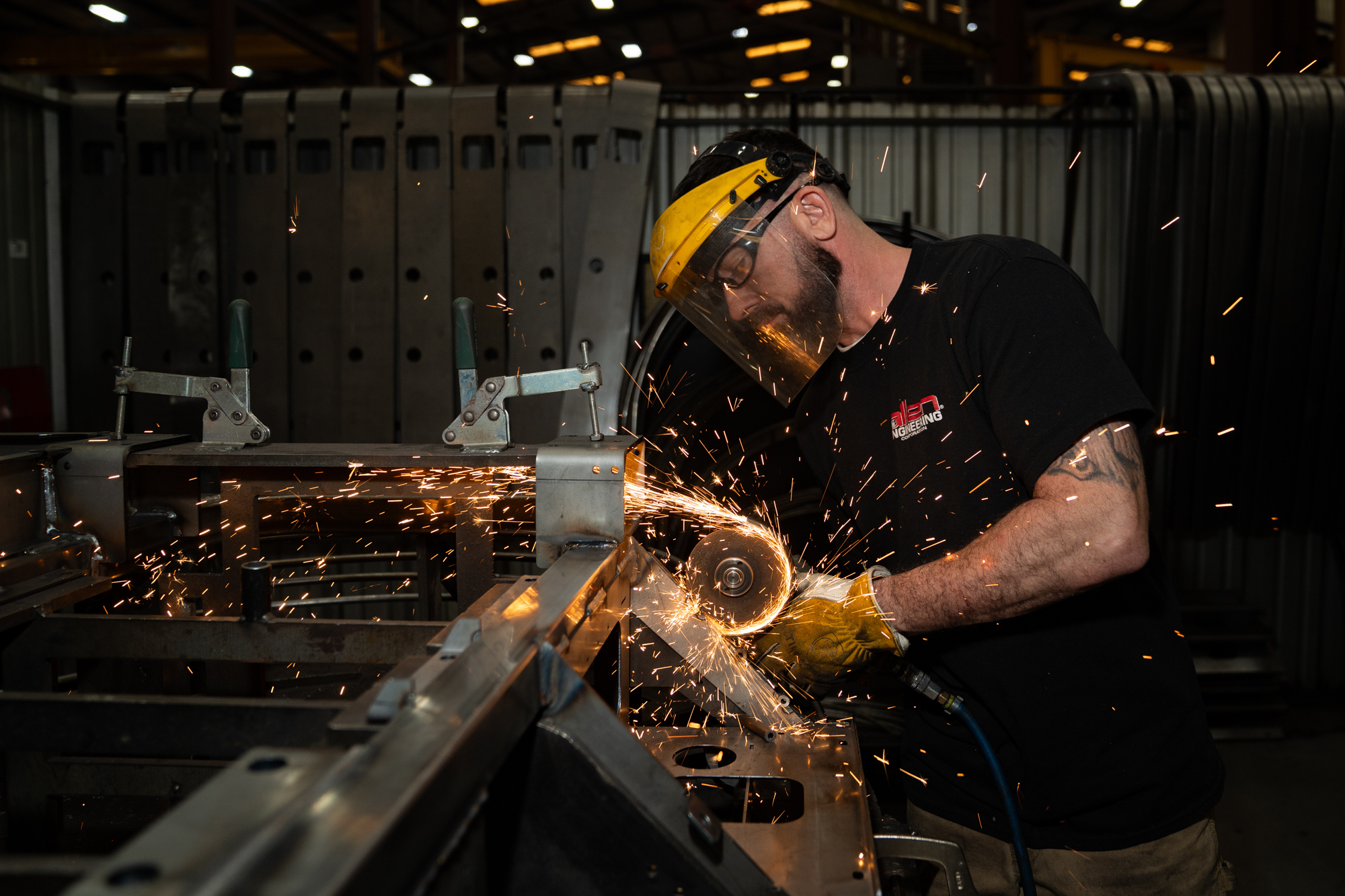
It was a cultural shift as much as an institutional one. Wood shop, auto shop, welding, drafting — hands-on courses that had once introduced students to skilled trades — were quietly phased out. Budget pressures helped, but so did the attitude. Vocational education started to carry a stigma. If you were heading to the trades, the unspoken message was that you hadn't made the cut. Capable students were pointed toward college almost reflexively, regardless of whether a four-year degree made sense for them.
The result was entirely predictable. The pipeline of new tradesmen slowed dramatically while demand for their work never did. Homes still needed wiring. Pipes still froze and burst. Factories still required maintenance. HVAC systems don't care about enrollment trends. According to the Associated Builders and Contractors, the construction industry alone is short hundreds of thousands of workers beyond normal hiring levels just to meet projected demand.
This isn't a market failure. It's what happens when policy and culture spend decades discouraging people from entering fields the economy can't function without. Supply dropped. Demand held. Shortages followed. Prices rose. The economics here aren't complicated.
What's changed is that the market is now correcting — and correcting hard. Experienced electricians, plumbers, and welders are commanding wages that rival or outpace many college graduates, typically without the $40,000 or $60,000 in student loan debt that's become standard with a four-year degree. The apprenticeship model, which lets workers earn while they learn a genuinely marketable skill, is starting to look a lot smarter than it did a generation ago.
Generation Z appears to be getting the message, and in larger numbers than many people realize. Trade school enrollment has climbed steadily in recent years. Apprenticeship applications have increased. On social media — the place where generational attitudes actually form — electricians, welders, and HVAC technicians documenting their work and their paychecks have built large followings. Young people are watching peers earn real wages, develop tangible skills, and own their own businesses before their college-educated counterparts have finished paying off their loans. The romantic notion of a four-year degree as the universal ticket to a good life is losing its grip, and the trades are direct beneficiaries.
Still, it's worth being honest about the damage done. The workers who would have entered the trades twenty years ago didn't disappear — they were steered elsewhere, often into degree programs that left them underemployed and indebted. That's a real cost, paid by real people, and it doesn't get undone quickly. Rebuilding a skilled workforce takes years of training and experience that can't be manufactured overnight.
America didn't lose its tradesmen by accident. It lost them through sustained cultural and institutional pressure that treated an entire category of valuable work as a consolation prize. The market is finally delivering the correction — but it would have been a lot cheaper to get the message right the first time.
