




Higher drug prices are bullish. Yes, you read that right. What's pricey signals a development achievement that will soon be enjoyed by all income classes at much lower price points.
How else can America’s world-leading pharmaceutical companies fund amazing leaps into new drugs absent creating advances for the biggest markets? By solving big problems for the biggest customer bases through lower-priced access to health and life-saving advances, pharmaceutic firms acquire the means to expand the frontier of cures.
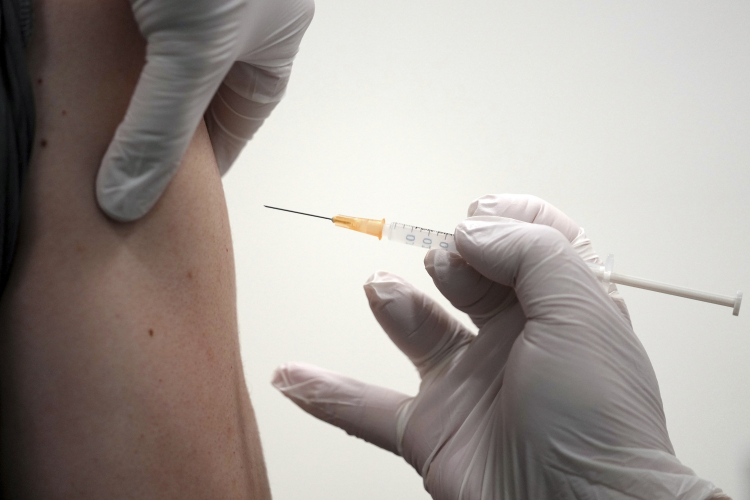
About this, no doubt many or all readers are aware of the great news from last week: Moderna’s melanoma vaccine proved a success in trials. In combination with Merck’s Keytruda, the vaccine succeeded in deterring the return of melanoma in patients at the greatest risk.
Melanoma is the most dangerous form of skin cancer, only for the vaccine to emerge to essentially teach the human immune system to spot cancerous cells, then go on the offensive against them. To say this is progress insults understatement.
After which, and without presuming to get scientific, it speaks to a bullish future as information created through the creation of a melanoma vaccine is extrapolated to other brutal forms of cancer. Progress indeed.
Consider it through the prism of a recent announcement from the Trump White House that Most Favored Nation (MFN) pricing is responsible for the lowest drug prices in 60 years. “MFN” is the drug-pricing concept that ties the cost of prescription medicines stateside to the lowest prices paid for those same drugs in other developed nations.
The attempt by the Trump administration to associate MFN with lower drug prices is wrongheaded on its best day, and dangerous on its worst. See this piece’s introduction.
Inexpensive drugs cannot be decreed, rather they’re an effect. Expensive drugs beget lower cost drugs as what helps the very few of means is gradually rolled out in lower-cost, highly profitable fashion to the many.
That’s why expensive drug prices are such a bullish concept. It can’t be said enough that what’s available to the very few is but a preview of what will be available to everyone if innovators are left free to more than recoup the costs of their substantial capital outlays.
Some of this investment succeeds, some of it doesn’t, but the big successes set the stage for mass production of lifesaving and life-changing pharmaceutical advances. Crucial about the big successes is that they once again pay for even greater subsequent leaps.
Which calls for a rethink of the White House’s message. Lower priced drugs didn’t materialize due to MFN, but thanks to markets being allowed to work whereby drug prices were allowed to reach their natural market levels. Just as a low-priced drug begets high-price innovations thanks to new investment, so do high-priced drugs beget low-cost options as the expensive and effective drugs "discover" a massive market the needs of which will soon be met.
All of which speaks to the danger inherent in the Trump White House’s announcement. Seriously, what a mistake if it becomes accepted wisdom that presidential administrations can force lower prices. They can do no such thing, but if this false wisdom is accepted as true, more muscular price controls and decrees from the Commanding Heights of government will follow. No thanks.
As we see yet again through Moderna, Merck, and their vaccine, the aim should be cures over toothless low-cost decrees. Implied in expensive cures is eventual mass production of those same cures that have the potential to save lives. Still, it can’t be said enough that there’s a cost associated with longer life, one that politicians ignore at all our peril.
