

Political pundits and politicians have spent days analyzing the 2026 midterms from every angle. But the real lesson is a simple principle that Vice President JD Vance already laid out: The Trump administration was punished for violating important promises to key stakeholders, especially on affordability and the war in Iran.
Here’s what the midterms can teach CEOs about making, and keeping, promises so they don’t end up with stakeholders “voting” against them.
Broken promises, broken leadership
President Donald Trump was elected with one of the most diverse electorates in modern American politics, and it was built on three promises: protecting the border, bringing down prices, and avoiding foreign entanglements.
But in the nearly 22 months since taking office, Trump imposed tariffs that made food and other prices worse. He also launched a months-long war with Iran that sent gas prices up. The combination resulted in prices rising faster than wages.
The tariffs and the war hit the wider electorate (read: customers). The war was also a reason a core segment of voters soured on Trump: They wanted him to stay out of other countries’ affairs.
The business world is full of these types of consequences. Boeing’s core promise to airlines and regulators was that its planes were safe. Two 737 MAX crashes killed 346 people, and years of manufacturing problems followed, costing the company tens of billions of dollars and, in 2024, its CEO.
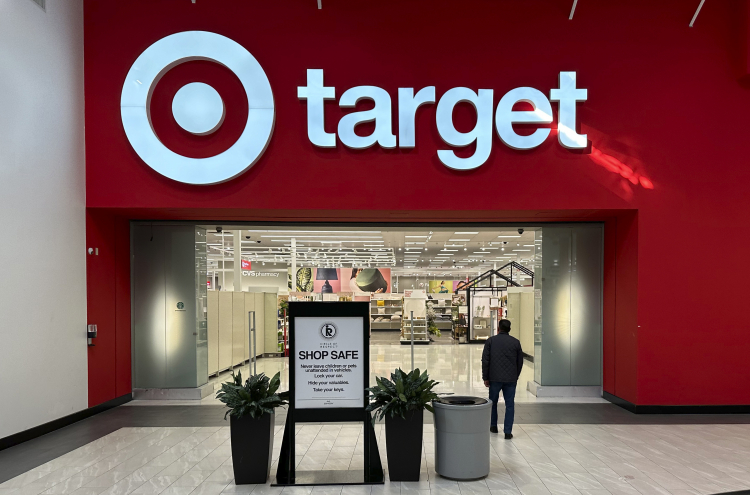
Or try Target, which pledged $2.1 billion toward racial equity in 2020, abandoned its DEI goals in 2025, and saw its CEO step aside after shoppers who believed in that pledge boycotted the company.
And sometimes, the promise can be as simple as making sure stakeholders walk away with a smile. Starbucks’ most loyal customers drove most of its morning sales through its app. When that app meant long waits and orders that never got filled, they left in 2024, and the CEO soon followed.
When customer loyalty is weak, explaining is losing
Every CEO knows that loyalty takes years to earn and days to lose when other options are immediately available. That’s especially true for Trump, since roughly half the country was never going to buy from him, and many of the customers who did support him in 2024 have already walked away.
A big reason for that is that Trump tested loyalty soon after entering office. On prices, he first said they were temporarily high because of tariffs. Months later, he blamed the Iran war, which was supposed to last a few weeks…then a few months…and then was paused until after the midterms.
Similarly, he first implemented tariffs and said in 2025 that consumers would feel short-term pain and long-term benefit. By the end of this past summer, he’d suspended tariffs on imported ground beef after beef prices hit records, up about 10 percent from a year earlier. And in October, weeks after signing a sweeping Russia sanctions law, he announced a deal to buy Russian diesel.
Even the loudest megaphone, such as the bully pulpit of the presidency, can’t overcome what people experience every day. Customers will accept a higher price if that’s what you told them to expect, and if you delivered something worth even more. But they’ll ignore your justifications when they feel like you pulled a bait and switch.
Don’t break core promises
Not all stakeholders are created equal. Customers buy on price, convenience, or service. Investors put their money and their reputations behind where you’re going. In 2026, most voters went with their wallets. But one segment of Trump’s most invested backers, a set of conservative and libertarian voters, didn’t just see high prices. They saw the Iran war, which drove up the prices everyone else was angry about, as betraying their vote.
Again, Vice President Vance acknowledged it: “The reason we lost is the war,” he wrote on X, noting that many who backed Trump in 2024 went the other way this week.
The core promise doesn’t have to be dramatic (a war in the Middle East, Boeing’s safety issues) to drive customers away when it’s broken. Starbucks customers simply had a negative experience and so chose to spend their money on the other 10 coffee shops within walking distance.
Know whether the payoff arrives before your stakeholders’ patience runs out
No industry has more real-time data than politics: polling, focus groups, people on the ground, even betting markets. That’s why Trump waffled on prices and the war, and spent the fall reminding Americans that the stock market was hitting record highs.
But it was too late, because the timelines on his policies were longer than he promised - and, therefore, longer than voters’ patience.
Publicly traded companies see this problem all the time. They make promises every quarter, and if they miss, the odds are good that the stock price will sink. It might be the right long-term bet, but it all depends on whether the people you’re trying to win over see the same timeline you do.
SpaceX shows what happens when the timelines match. In late September, its Starship rocket reached orbit for the first time, ended its mission early, and exploded after splashing down in the Pacific. Analysts stayed bullish because they had bought into the company’s long, messy path to a fully reusable rocket.
Apple saw the same thing on the customer side. Its iPhone Duo starts at $2,000, its most expensive iPhone ever. Preorders sold out within hours, pushing deliveries to late January, and customers still lined up around the block on launch day.
A fiery rocket and a three-month wait for a phone would not normally be good news. But unlike Trump, both companies had prepared the relevant stakeholders properly.
What business can learn from Washington
A lot of politicians say that Washington can learn from the business world. This election, the reverse is true.
You may end up like Trump, still in charge but with two years to win back trust. Or you may end up like Starbucks, where the CEO who broke the promise wasn’t the one who got to fix it.
Either way, stakeholders, whether voters, customers, students, or spouses, all want the same thing: to know that they got what they signed up for.