




The U.S. economy would be a fraction of its incredibly vibrant self if investors truly keyed on “quarterly earnings.” Amazon and Google continue to show us why.
For background, in the 1970s the cable television industry was a nascent concept. It gained obscure lift by connecting houses well outside U.S. cities to television and movies.
Still, thanks to the original cable television entrepreneurs, wires were being installed underground throughout the United States. Unknown to the cable pioneers was that they were creating the infrastructure for the rollout of the internet twenty and thirty years later. Of course, the fact that no one foresaw the rise of the internet in the 1970s can be found in the broad skepticism that met early internet corporations like Amazon and Google.
Lest readers forget, Amazon’s nickname in the late 1990s and early 2000s was “Amazon.org.” Get it? The creator of e-commerce was shipping growing numbers of books, CDs and DVDs through online sales, but at the cost of quarter after quarter of losses.
Which should be the point. Amazon’s investors stuck it out despite years in the red. And while Google was quicker to profits than Amazon, it remains the case today that both Google and Amazon are providing extraordinary long-term value to shareholders through relentless investment in the future. This comes at the cost of higher quarterly earnings.
It’s something to think about given the popular view that public companies are in thrall to quarterly reports. Supposedly companies are because investors obsess about them.
Except that the “quarterly capitalism” narrative has no validity, and Amazon and Google show us why. The best investors, like the best businesses, are looking well beyond the quarter. Years and decades beyond.
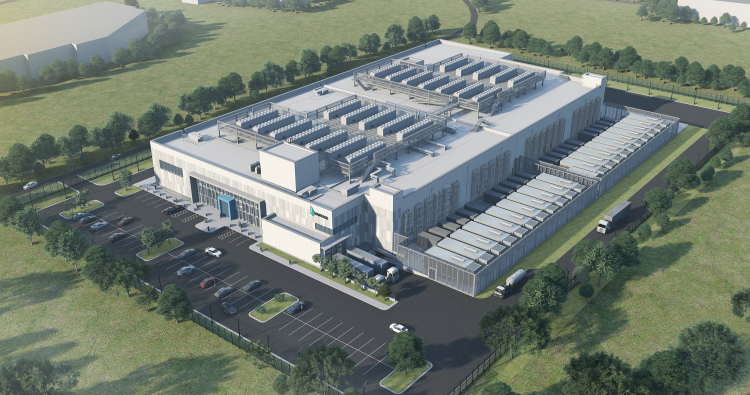
If this is doubted, consider the announcements made by Google and Amazon last week. They plan to spend $185 billion and $200 billion respectively on AI-related investments, including data centers.
Instead of focusing entirely on their existing, and highly profitable business lines, Amazon and Google are spending billions on a commercial future that is as opaque as the internet future that both played such a pivotal role in birthing. No doubt they could harvest what they were so instrumental in creating on the way to higher quarterly earnings, but they’re instead investing in more monumental leaps.
In doing so, it’s safe to assume that some of the fruits of their copious investing may not reveal themselves for a very long time, if at all. See cable. There’s just no telling the myriad ways in which AI and its attendant data centers could or couldn’t transform how we live and do business well down the road. Despite this, Google and Amazon are investing enormous sums not just because they intend to remain relevant well into the future, but also because their owners want them to.
It’s worth adding in consideration of the DOJ and FTC’s antitrust lawsuits against Google and Amazon, that $185 billion and $200 billion worth of investment within one calendar year are similarly not the actions of so-called “monopolies." The spending instead signals enormous energy within both corporations to keep finding the "other country" that is tomorrow.
Which is something to cheer. That’s because there’s no economic growth without investment. Thankfully Amazon and Google are investing in size, and in ways that will hopefully render the wires laid by cable many decades ago very small relative to the infrastructure presently being created.
