



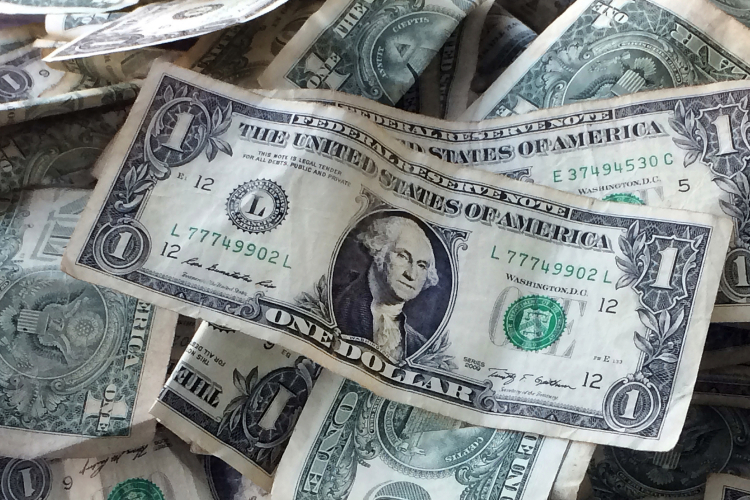
Calls to weaken the U.S. dollar have resurfaced in policy debates, framed to boost exports and reduce the so-called “trade deficit.” President Trump was reported as saying in a recent Wall Street Journal article that a cheaper dollar would restore American competitiveness abroad. The logic may sound intuitive to some, but it is economically flawed and historically dangerous.
As I have argued previously, the U.S. trade deficit is not an isolated failure. It is the accounting counterpart of a capital surplus. When the United States imports more than it exports, foreign dollars do not disappear. They return as investment into U.S. Treasury securities, equities, real estate, and productive businesses. That capital inflow helps finance domestic investment, supports asset values, and keeps borrowing costs lower than they otherwise would be.
Read Full Article »
