




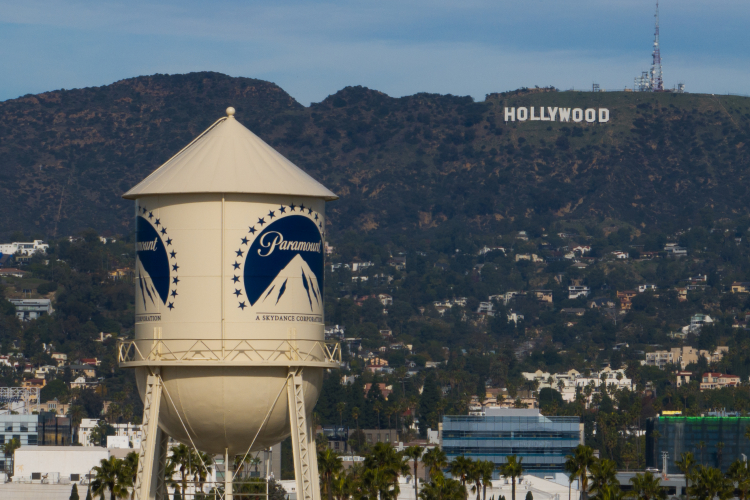
When a coalition of twelve state Attorneys General filed a lawsuit aimed at blocking the proposed merger between Paramount and Warner Bros. Discovery, they insisted that their ultimate concern was that this might bring harm to the American consumer. They suggested that the merger would rob cable providers of the ability to play the two companies against one another to obtain lower prices and better terms.
“Paramount’s proposed acquisition of Warner Bros. will end this competition, threatening viewers with higher prices, the decline of theatrical exhibition of films, and a reduction in the variety, quality, and amount of content distributed,” said a press release from California Attorney General Rob Bonta’s office.
The problem with this perspective is that it is predicated on a market environment that no longer exists, hearkening to a world before streaming and the smartphone rewrote every assumption on which the states’ argument depends. The point of view they are asking the court of law and the court of public opinion to accept is simply outdated, and granting their demand to block the merger would make consumers worse off.
Prior to 2006, nearly nine in ten television households subscribed to a traditional multi-channel provider, with cable owning most of that. Competition among studios for screens, cable carriage and release dates largely determined what consumers could watch--and when.
Today, streaming accounts for nearly half of all television viewing and cable’s share is just twenty percent. YouTube is now the largest distributor of television viewing in America. Netflix holds 8 percent and Paramount has a relatively paltry 2.3 percent.
Twenty years ago, the constraint in getting a film to the market was the distribution: There were only so many theaters, networks, and showtimes available, and studios fought fiercely to get their movies in a cinema or shown on HBO or--with luck--network television.
Today, anyone can watch virtually any movie they want at any time no matter where they are. The challenge film studios have is assembling enough content, technology, capital and global reach to compete for consumers against the large entertainment and technology platforms in the world.
The Attorneys General aver that their goal is to preserve competition, but their actions risk preventing the creation of a viable new competitor in today’s revamped content marketplace. It is akin to the Department of Justice’s opposition to the merger of Spirit Airlines and JetBlue: In a market with four large airlines and numerous little ones, the combination would have resulted in the fifth largest airline--at just half the size of the fourth--but the determination was that an airline with eight percent of the market would somehow disrupt the market’s competitive pressures. In light of Spirit’s recent bankruptcy few dispute that the government’s merger opposition was clearly a mistake. So too is the idea that more, smaller competitors in the motion picture industry dominated by a few large oligopolies will somehow preserve the theater industry.
In the midst of Paramount’s bids, Warner Bros. Discovery was considering a sale to Netflix, which has evinced little interest in exhibiting its movies in theaters. Had the Netflix deal been consummated it would have resulted in many fewer films being exhibited in theaters, harming both consumers as well as people who work in the film industry.
On the other hand, Paramount is offering to commit--in writing--to produce and distribute 30 films per year in theaters and give them at least 45 days of theatrical exclusivity before streaming, which would be a boon for the theater industry and also boost demand for the merged company’s streaming platform. Insisting that this commitment be made binding would certainly be within the purview of the attorneys general and should satisfy most of their ostensible concerns.
These days Paramount is little more than a niche player in the streaming wars, but the merger could potentially make Paramount a bona fide competitor that would force other content creators and distributors to step up their game in quality and cost.
Regulators seeking to protect the status quo would leave us with an increasingly concentrated industry lacking a check against the platforms that already possess the scale Paramount and Warner Bros. Discovery are trying to build. Consumers, moviegoers, theater owners, creative professionals, and everyone concerned about Big Tech’s growing control over entertainment would ultimately benefit from this transaction.
