




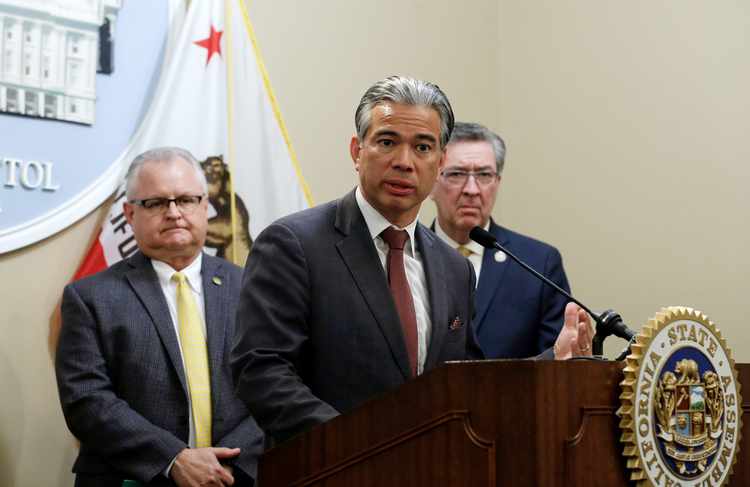
The Justice Department’s Antitrust Division approved the Paramount-Warner Brothers merger in June. However, the merger must still survive a lawsuit brought by 12 state attorneys general, led by California Attorney General Rob Bona. The attorneys are arguing that the $110 billion merger would increase concentration in the film industry by reducing the number of major film studios to four (Disney, Sony, Universal, and Paramount-Warner Brothers). The state attorneys general also argue that if Warner Brothers is allowed to merge with Paramount the resulting company will control 59% of the basic cable market.
The merged Paramount-Warner Brothers would also control some of the most popular cable channels like TBS, MTV, Nickelodeon, the Cartoon Network, and Comedy Central. The result would be increased ticket prices and cable fees. Opponents of the merger also claim that even though the merger would increase ticket prices, movie theaters would receive a smaller share of ticket revenue due to the increased power of the studios. The combined Warner-Paramount Studio would control approximately 27% of the American box office (based on the past year’s receipts), while the total number of films released by the “big four” would increase to 85%. The big four would also control 93% of “tentpole” movies, the big blockbusters like The Odyssey and Spider Man: Brand New Day, that make up the majority of movie theater profits.
Opponents of the merger claim it would reduce the job opportunities and salaries of those who work in the film industry. But merger critics are ignoring the fact that fewer Americans are going to the movie theaters. Last year, North American theaters sold 770 million tickets, a 50% decline from 2002 and a third less than in 2019. This year, ticket sales are increasing and may even exceed 2019 levels. However, this is due to a few big hits like The Odyssey, Brand New Day, Toy Story 5, and the forthcoming Avengers: Doomsday. This suggests that more Americans are returning to the theaters, but are limiting their attendance to the big tentpoles and other event films.
The state of cable TV is worse. Cable viewership is not just declining—it has been all but abandoned by young people. According to CableCompare, only 23% of Americans aged 30-49 and 16% aged 18-39 subscribe to cable. Instead of going to theaters and watching cable, more American are streaming movies and watching podcasts and online news programs.
The Paramount-Warner Brothers merger would combine the number three (HBO max) and the number eight (Paramount Plus) streaming services, making both more competitive with the leading streaming service, Netflix. Combining their streaming services may also incentivize Warner Brothers and Paramount to invest in what may be the future of the entertainment industry. Two of the biggest hits of this year are Obsession, which cost less than $1 million to make and has grossed over $40 million, and Backrooms, which cost $10 million to make and has made almost $400 million. Both films were made not by seasoned Hollywood veterans but by YouTube content creators. Their success on YouTube enabled them to attract financing to turn their YouTube productions into full-blown movies.
The continued development of artificial intelligence will enable content creators to produce higher quality content on social media platforms. Major studios like Paramount and Warner Brothers could use their streaming services to give these content creators a chance to work with a bigger budget in a more “professional” atmosphere. The most successful creators could then get studio backing to produce bigger budgeted movies and/or shows for the studios’ steaming services and/or theaters. The next Spielberg, Tarantino, or Scorsese might now be uploading content on YouTube. Approving the Paramount-Warner Brothers merger may help these creators make it to the “big time” by incentivizing the merged company’s executives to identify leading content creators who can develop new content to attract audiences to streaming services and movie theaters.
Those concerned that the Paramount-Warner Brothers merger will create a monopoly on cable TV should consider that cable is dying as more Americans, especially younger ones, are cutting the cord in favor of streaming. They should also consider that, while Americans are still enjoying a night at the movies, they are increasingly reserving movie outings for big budget spectacles and other event films. Approving the Paramount-Warner Brothers merger will enable the companies to better compete in the new media landscape and benefit the American public by making the studios more willing to invest their resources into turning today’s YouTube star into tomorrow’s streaming or movie sensation.
